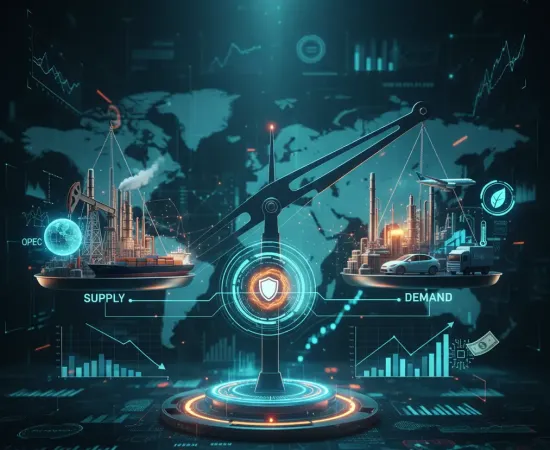
When we fill up at a service station, we rarely consider the long journey that fuel has taken to reach
our vehicles. While we may understand the refining process, logistics and distribution of products
like gasoline and diesel extend far beyond production. This chain is both complex and strategic.
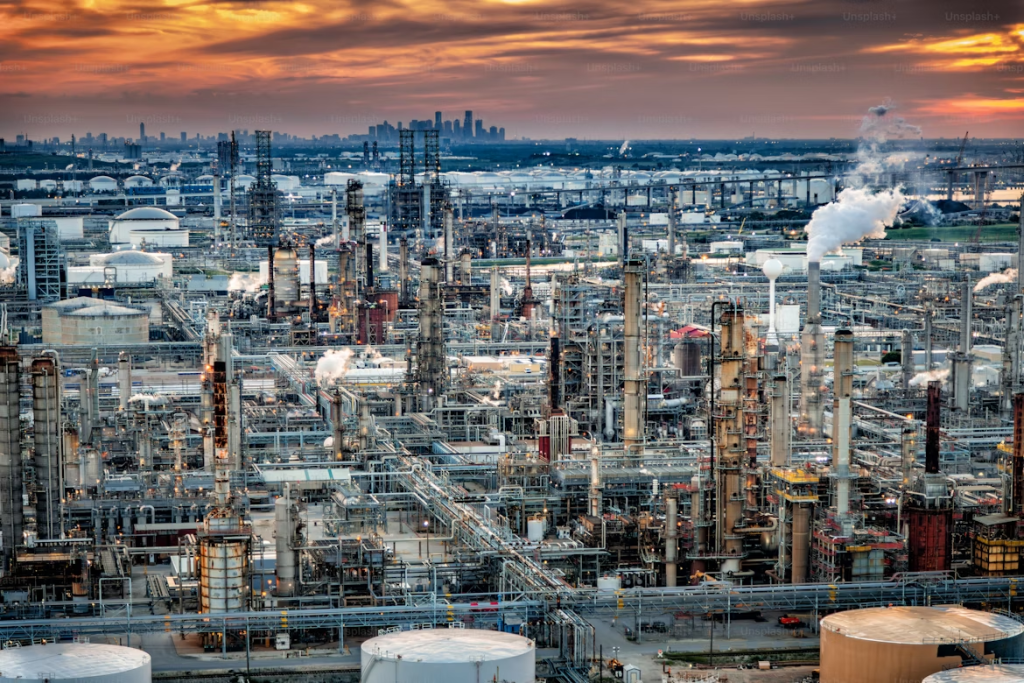
The Starting Point: The Refinery
Everything begins at the refinery, where crude oil undergoes distillation and conversion processes
to produce various derivatives. Once market-ready, these fuels are temporarily stored in large-
capacity tanks, awaiting transport to consumption hubs.
Wholesale Fuel Transport: Pipelines, Tankers, and Trains
The next step is long-distance transfer, utilizing multiple infrastructures:
• Pipelines: safe, fast, and continuous, they are the most common method for connecting
refineries with distribution terminals.
• Oil Tankers: enable the movement of massive volumes between countries and continents,
supporting international energy trade.
• Railways and Tanker Trucks: provide flexibility and coverage in areas not served by
pipelines.
Each mode plays a complementary role, ensuring supply even in remote regions or high-demand
zones.
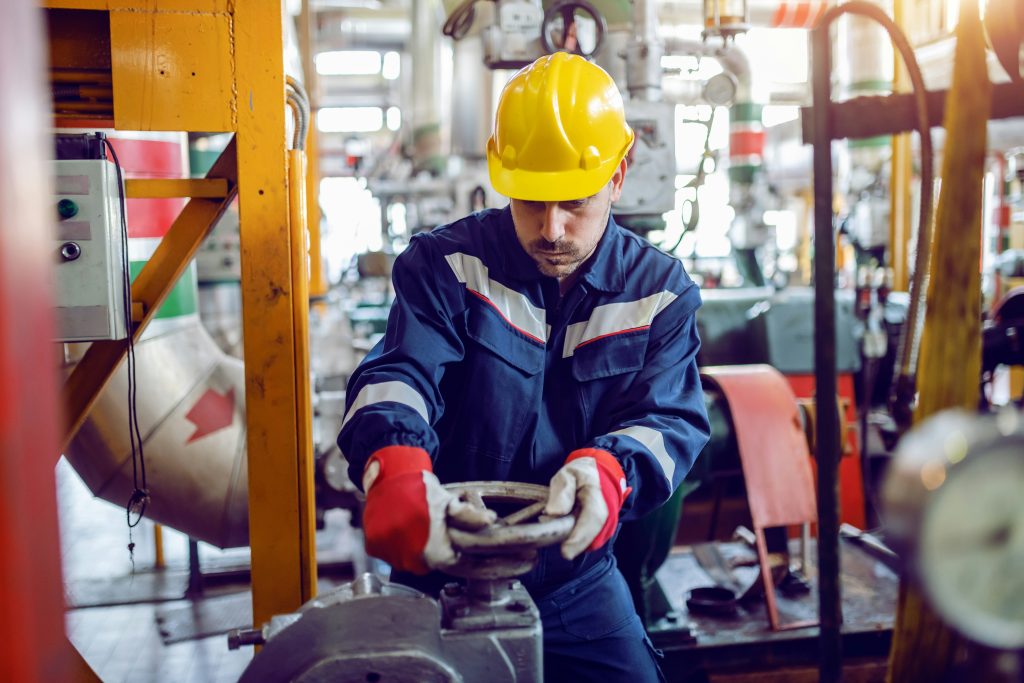
Storage and Distribution Centers
Before reaching the end consumer, fuels pass through storage terminals where quality, safety, and
volume are monitored. From these centers, coordination of deliveries to gas stations, airports, ports,
and industrial clients takes place, tailoring logistics to each sector’s requirements.
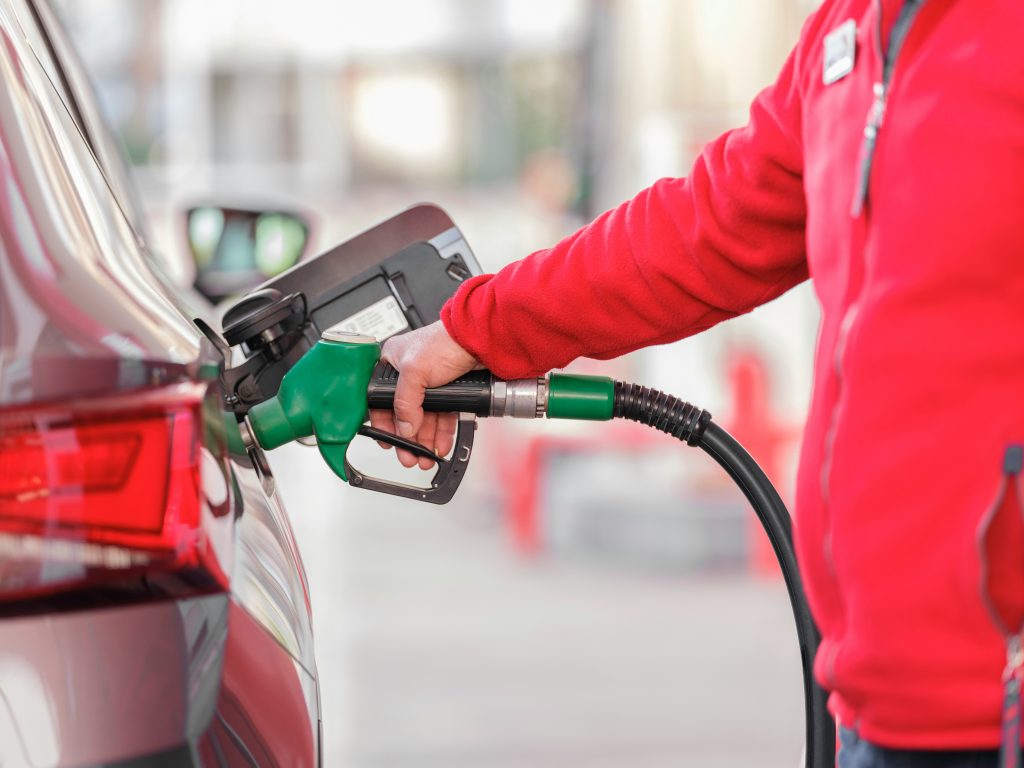
Final Stage: From Storage Tanks to Your Vehicle
Ultimately, fuel arrives at the closest point for everyday users: service stations. Specialized tanker
trucks refill underground reservoirs at each station, dispensing fuel directly to consumers.
Simultaneously, diesel deliveries are made to transport companies, airlines, farmers, and industrial
facilities, completing the logistical cycle.
In Summary
Fuel logistics and transport are far more intricate than they might initially appear.
Thanks to pipelines, tankers, trains, and trucks, energy reaches its destination safely and
continuously. Although the industry faces the challenge of becoming cleaner and more efficient, it
remains a key component of the economic engine and daily life for millions of people.