Diesel is omnipresent in our daily lives. We rely on it to power trucks, ships, tractors and even some cars, yet few of us pause to consider what makes it distinct from gasoline or other petroleum derivatives. To understand its uniqueness, we must look at both its origin in the refinery and its combustion process inside an engine.
Diesel’s Place in Refining
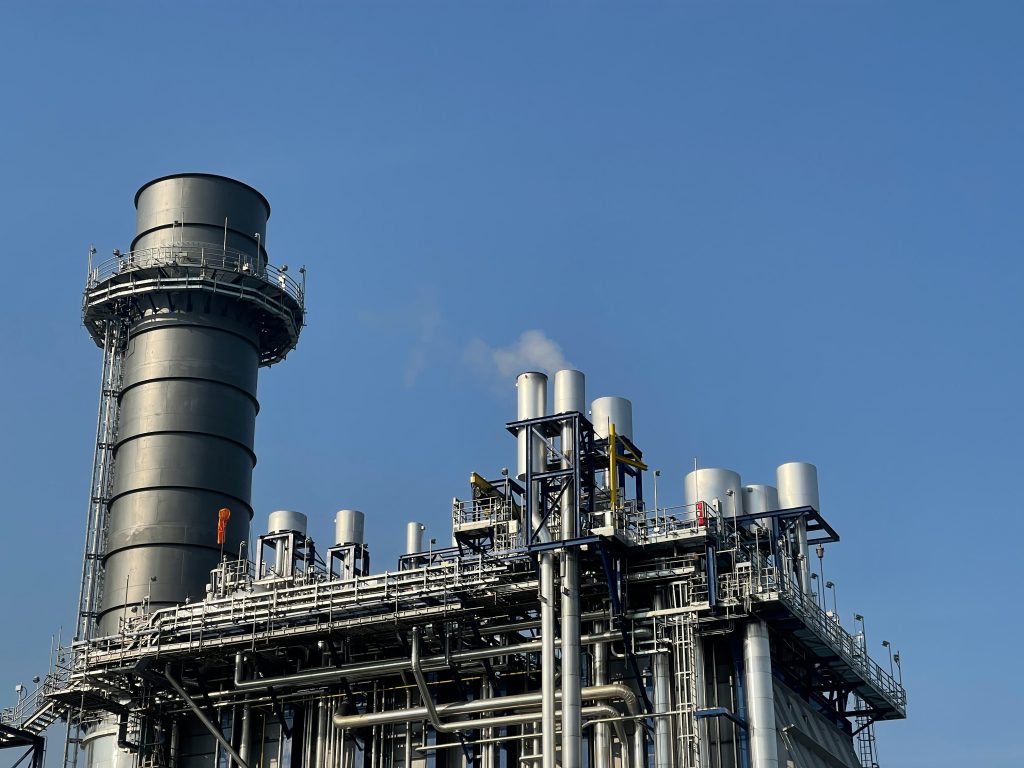
In the fractional distillation of crude oil, components are separated by weight and boiling point. Diesel occupies a middle position:
- It contains more energy per liter than gasoline.
- It is less volatile, meaning it evaporates more slowly.
- It is more stable and safer to store.
These traits explain why diesel has become the natural choice for applications demanding high power and long operating hours.
How Diesel Behaves in the Engine
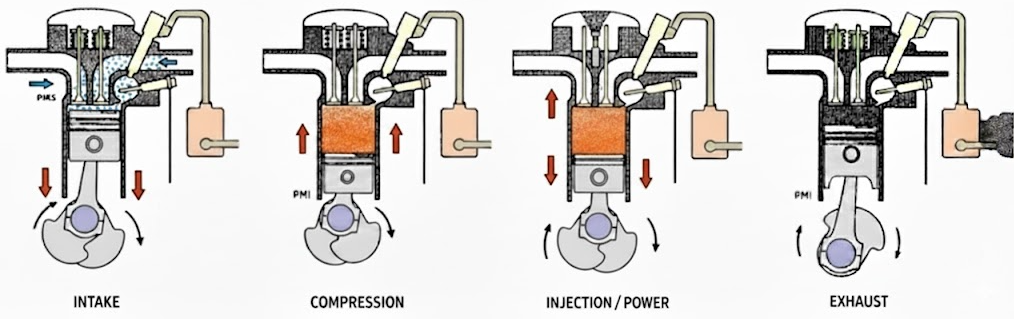
Diesel’s true distinction lies in its combustion method. Gasoline engines rely on a spark to ignite the air-fuel mixture. Diesel engines, by contrast, compress the air to extremely high temperatures; when fuel is injected, it self-ignites under pressure.
This compression-ignition process makes diesel more fuel-efficient. In practical terms, a loaded truck, a train or a power generator can run longer and deliver greater output using fewer liters of fuel.
Advantages and Weaknesses of Diesel

Every fuel has its pros and cons. Diesel’s main strengths include:
- Higher energy efficiency, ideal for long distances.
- Greater engine longevity under intensive use.
- Superior ability to haul heavy loads.
Its primary drawbacks are:
- Pollutant emissions, notably particulate matter and nitrogen oxides.
- Higher engine cost and increased noise levels.
Today, much of the diesel on the market is offered in cleaner variants—such as biodiesel, derived from vegetable oils and animal fats, or ULSD 10 PPM (Ultra Low Sulfur Diesel). These versions significantly cut emissions while retaining diesel’s signature efficiency and durability.
Conclusion
Diesel remains the central pillar sustaining heavy transport and industrial machinery worldwide. Its efficiency, durability and load-moving capacity make it a reliable, strategic choice. With ongoing technological advances that boost performance and reduce environmental impact, diesel continues to adapt to today’s demands and shape the future of the energy sector.