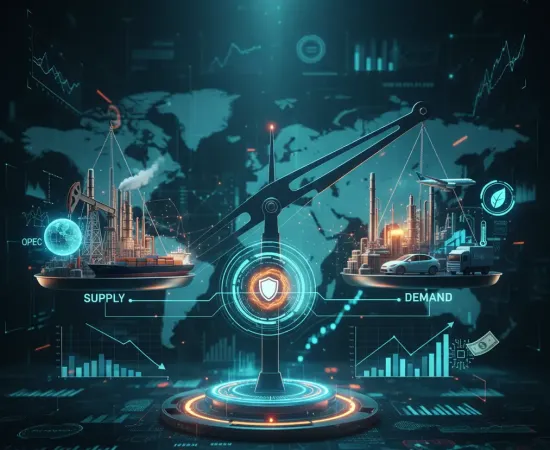
Fuel trading is one of the least visible yet most decisive activities in the energy sector. Although it is often associated with the exchange of crude oil and its derivatives, it goes far beyond simple buying and selling—it involves logistical planning, risk management, financing, and global market strategy.
In an interconnected world, this network of operations ensures that fuels flow from refineries to end consumers, balancing supply and demand across regions, companies, and even governments
Intermediation: The Connection Between Producers and Buyers
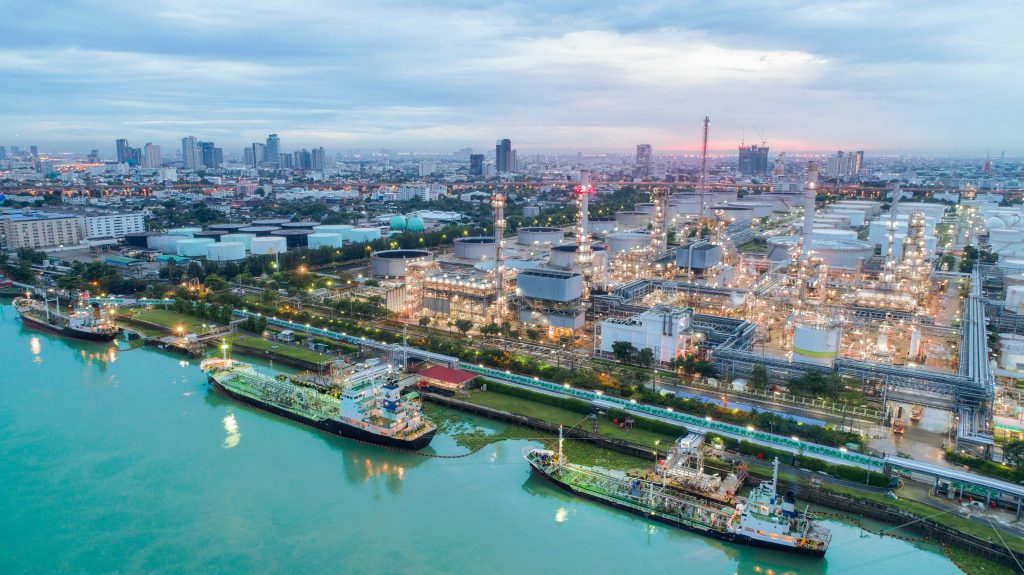
At the heart of this system are the traders or intermediaries, who connect those who produce fuels with those who need them. These companies or agents purchase large volumes of products such as diesel, gasoline, or fuel oil and sell them in other markets where demand is higher or prices are more attractive.
Traders can operate in two main ways:
- Physical operations, which involve the actual transport and delivery of the product.
- Financial operations, which focus on managing price exposure and risk without the physical exchange of the fuel.
Contracts: Clear Rules in a Complex Market
Every transaction is supported by contracts that define the terms of the exchange: volumes, quality, delivery point, price, and deadlines. Contracts can be:
- Spot, when delivery occurs immediately.
- Forward (or future-dated), when delivery is scheduled for a later date.
Additionally, prices are often linked to international benchmarks such as Platts, Brent, or WTI —references mentioned in previous articles—which serve as value guides for all parties involved. This ensures transparency and consistency in a global market.
Risks and Hedging
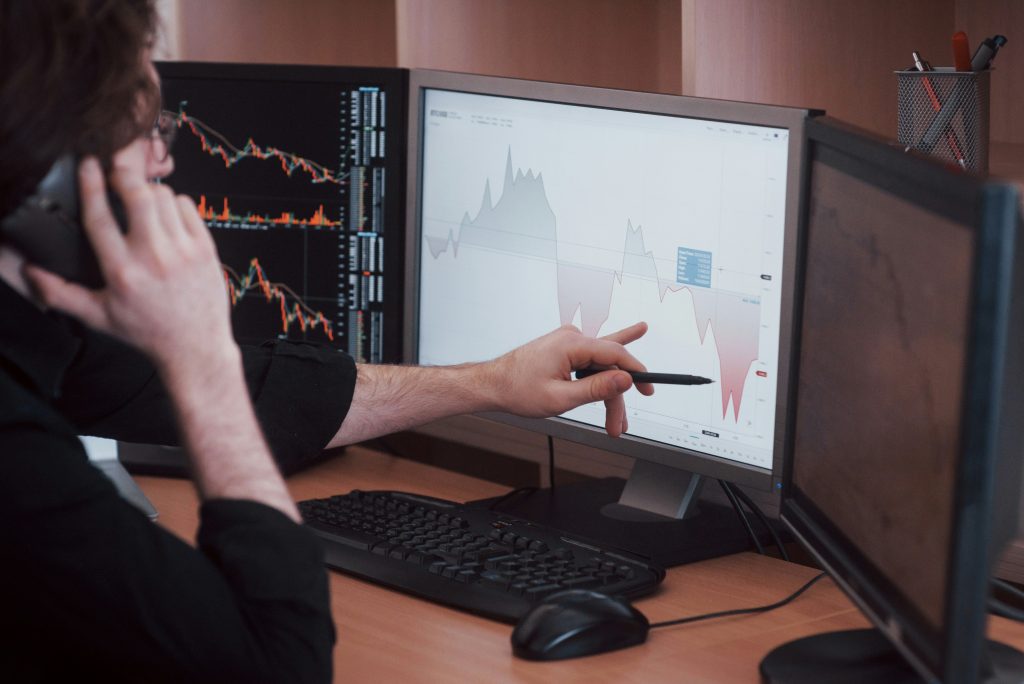
Fuel trading involves constant risks that can affect both large corporations and smaller intermediaries, such as:
- Price fluctuations: Crude and refined product prices can change rapidly due to geopolitical factors, shifts in supply, or changes in global demand.
- Logistical delays: Maritime, land, or rail transport issues can disrupt delivery schedules and generate additional costs.
- Payment defaults: When one party fails to fulfill payment obligations, it jeopardizes the stability of the entire operation.
- Exchange rate variations: In international transactions, currency movements can significantly affect the final value of contracts.
To manage these risks, traders use financial instruments such as futures, options, and swaps, which help lock in prices or offset potential losses. Thanks to these tools, traders can maintain economic stability even in highly volatile markets.
In Summary: The Engine of Global Energy Commerce
Fuel trading is the driving force behind global energy trade. Through contracts, hedging mechanisms, and intermediation strategies, it ensures that fuel reaches the right place, at the right time, and at the best possible price.
In this system, information, speed, and risk management are as valuable as the product itself.