Margins, volume, and efficiency: the core pillars behind profitability in the energy sector
In the energy industry, profitability is not defined solely by producing or distributing energy — it
depends on how every step of the process is managed. From extraction or generation to final
sales, each decision shapes a company’s financial results.
The energy business is built on a combination of factors that must remain in balance: profit
margins, operational volume, and resource efficiency. This balance determines whether a
company can grow, withstand market fluctuations, or fall behind in a highly competitive and
volatile environment.
1. Margins: the delicate balance between costs and prices
In the energy sector, margins are the foundation of any financial analysis. They represent the
difference between the cost of producing, transforming, or distributing energy and the price at
which it is ultimately sold.
These margins are not fixed they constantly shift based on market conditions, regulations, and
international prices of oil, gas, or electricity.
- For refineries, the refining margin depends on the value of crude oil compared to the
price of the refined products obtained (gasoline, diesel, fuel oil, kerosene, etc.).- If crude oil becomes more expensive while refined products do not increase at the
same pace, margins tighten. - If refined products rise faster than the cost of crude, profitability increases.
- If crude oil becomes more expensive while refined products do not increase at the
- For electric utilities, margins are calculated by the difference between the cost of
generating or purchasing energy and the price at which it is sold to consumers or
distributors.
Managing these margins requires strategic planning and constant monitoring of market
conditions.
2. Volume: the power of large-scale operations
In the energy business, solid margins alone are not enough volume is equally crucial.
Companies usually operate with small unit margins, but they move massive quantities of
product.
A trader earning only a few cents per barrel can achieve millions in profit if handling thousands
of tons per day. The same applies to electricity and natural gas distributors: the key is not how
much is earned per customer, but how many customers they supply and how much energy
flows through their network.
Scale generates economies that allow companies to absorb fixed costs, invest in infrastructure,
and negotiate better terms with suppliers and partners.
In other words, volume provides stability in a market where prices can fluctuate by the hour.

3. Efficiency: the true driver of long-term profitability
The third pillar and often the most strategic is operational efficiency. In a context where
margins tighten and global competition grows, being more efficient means staying competitive.
Key drivers of efficiency include:
- Reducing internal energy consumption and optimizing logistics.
- Digitizing operations to forecast demand and manage inventories more accurately.
- Minimizing unplanned shutdowns in plants and automating risk management in trading.
A refinery that extracts more liters per barrel, a power plant that reduces downtime, or a trading
desk that automates its risk controls gains a significant advantage.
Every point of efficiency translates directly into profitability and long-term capacity for
investment and technological adaptation.
Profitability and sustainability: a necessary balance
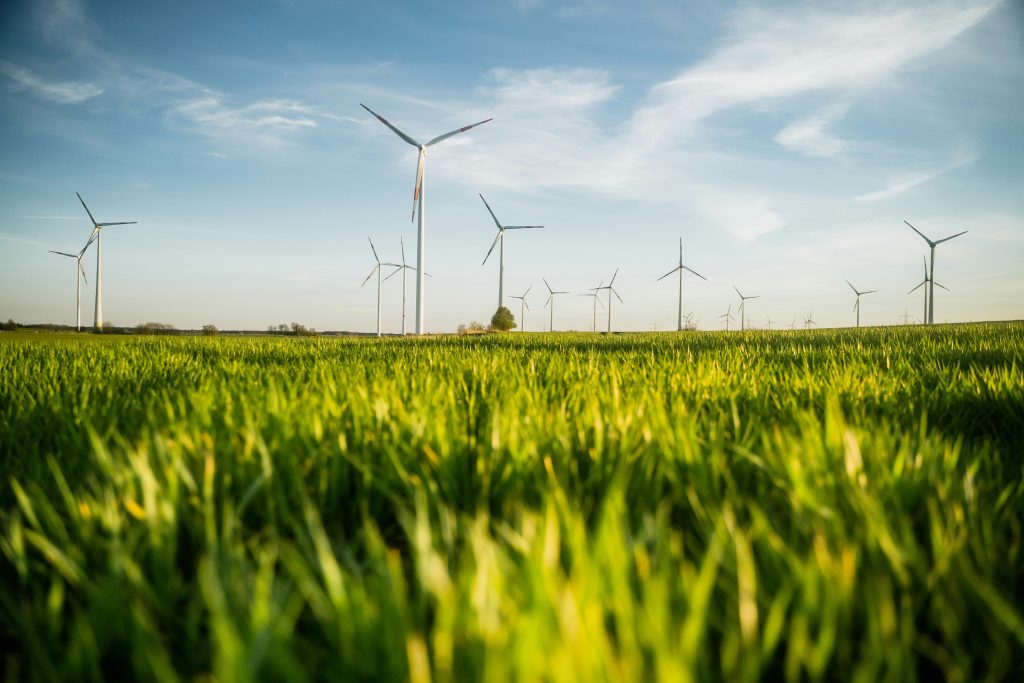
Today, profitability is no longer measured solely by financial metrics. Energy companies must
remain profitable while reducing their environmental footprint and aligning with global energy
transition targets.
Investments in renewable energy, carbon capture, and low-emission fuels are becoming part of a
new efficiency equation where sustainability also creates value.
In the medium term, the companies that successfully integrate profitability and sustainability will
be the ones capable of maintaining stable margins, operating at greater scale, and making the
most efficient use of their resources.
In summary, an energy company makes money at the intersection
of margin, volume, and efficiency:
- Margin ensures immediate profitability.
- Volume provides long-term stability.
- Efficiency sets the competitive edge.
In a dynamic market like energy where prices shift and regulations evolve the strongest
companies aren’t necessarily the biggest, but those capable of turning every liter and every
investment into continuous, sustainable value.