ULSD 10 PPM: Why It Differs from Conventional Diesel
Features and Benefits Compared to Traditional Fuels
In the previous article, we discussed diesel and its significance in transportation and industry. However, the diesel sold today is not exactly the same as it was a few decades ago. The key lies in an environmental and technological enhancement process that has produced a product known as ULSD 10 PPM.
What Does ULSD 10 PPM Mean?
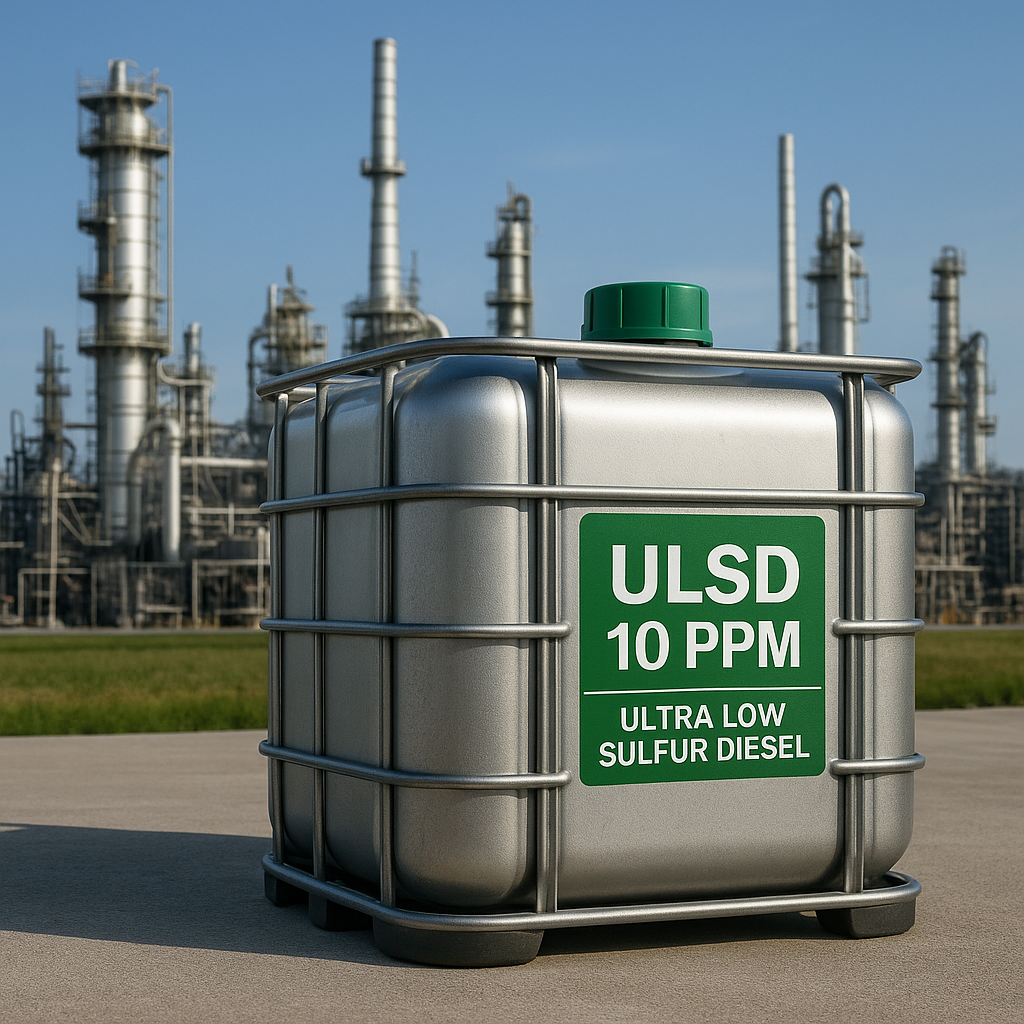
ULSD stands for Ultra Low Sulfur Diesel, referring to diesel with an ultra-low sulfur content. The figure “10 PPM” indicates a maximum sulfur concentration of 10 parts per million, a minimal fraction compared to traditional fuels. To put it into context, only a few years ago sulfur levels could exceed 500 PPM, resulting in a significantly higher environmental impact.
Why Reduce Sulfur?
Sulfur is a naturally occurring element in crude oil, but its combustion generates compounds such as sulfur dioxide, which contribute to air pollution and acid rain. By almost entirely removing sulfur content, ULSD enables:
- Reduction of pollutant emissions, particularly sulfur oxides and fine particulate matter.
- Improvement of air quality, especially in urban areas with heavy traffic.
- Facilitation of advanced emission control technologies, such as particulate filters and catalysts.
Characteristics of ULSD 10 PPM
Beyond sulfur reduction, this diesel variant retains the energy properties that make it indispensable for heavy machinery and transportation. Its key characteristics include:
- High energy density per liter.
- Compatibility with modern diesel engines without requiring modifications.
- Extended lifespan of aftertreatment systems (filters and catalysts) by preventing sulfur accumulation.
Benefits of ULSD 10 PPM Compared to Traditional Fuels
The transition to ULSD responds not only to environmental requirements but also delivers practical advantages for users and industries:
- Regulatory compliance with increasingly stringent international standards.
- Enhanced technological efficiency, enabling manufacturers to design cleaner and more advanced engines.
- Reduced environmental footprint, contributing to the ecological sustainability of transportation and logistics.
Conclusion
ULSD 10 PPM represents the natural evolution of diesel towards a more sustainable future. This diesel type offers the same power and durability characteristic of conventional diesel but with a lower environmental impact and greater compatibility with modern emission control technologies.
In an industry where energy efficiency must align with sustainability, ULSD has established itself as a strategic fuel, capable of meeting current demands and future challenges.