
How Supply and Demand Affect Our Operations and Pricing

In previous articles, we mentioned that supply and demand are crucial in determining the value of commodities, but in the energy sector, their influence goes far beyond the simple balance between consumption and production. Political, economic, technological, and even climatic factors play a decisive role in shaping the final price of fuel.

Supply: Production, Capacity, and Global Decisions

Supply is determined by the amount of crude oil and refined fuels available in the market. Factors such as refinery capacity, crude inventories, or decisions made by organizations like OPEC have a direct impact on pricing.

A production cut or a geopolitical crisis can reduce supply, leading to an immediate increase in international prices.
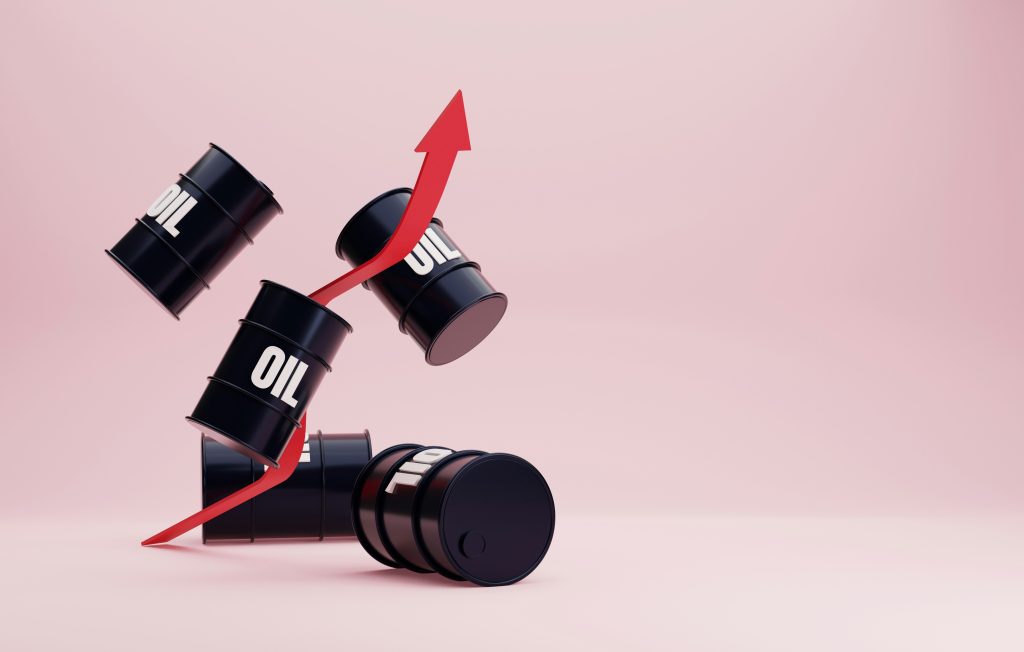
Demand: Consumption, Transport, and Economic Growth

Fuel demand depends on multiple interrelated factors:

  • Economic activity: when economies expand, fuel consumption rises; when they slow down, demand declines.
  • Transport and mobility: vehicle use, public transportation, and industrial logistics directly influence consumption levels.
  • Climate: cold winters or extreme summers can boost fuel demand for heating or cooling.
  • Energy transition: the growth of renewable energy and sustainability policies is beginning to reshape global consumption patterns, forcing companies to plan more precisely and adapt to new market dynamics.

Impact on Operations and Commercial Strategy

For traders and energy companies, understanding these dynamics is essential. Fluctuations in the balance between supply and demand determine the right moment to buy, sell, or hedge prices through financial instruments.

Timing is everything: a shift in U.S. oil reserves, an OPEC announcement, or a logistical disruption can change the profitability of an operation within hours.

That’s why commercial teams continuously monitor global indicators, economic reports, and production data, seeking opportunities while mitigating risks before the markets react.

In Summary: Supply and Demand Drive the Energy Sector’s Daily Decisions

Supply and demand not only set fuel prices — they guide corporate planning and strategic decisions.

Understanding their dynamics enables companies to act with foresight, seize opportunities, and protect operations against the volatility of a constantly changing global market.

Why do commodity prices change?

Factors Affecting Commodity Prices

At first glance, you might think the price of oil, wheat, or copper should remain fairly stable—after all, the product itself doesn’t change much. In reality, there are many factors that influence price fluctuations. The commodities market doesn’t just respond to supply and demand; it also reacts to politics, climate, and the global economy. Let’s break down the main factors affecting commodity prices.

Factors Influencing Prices

1. Geopolitical Factors

Commodities, being essential goods, are directly tied to political stability and diplomatic decisions in each country. Armed conflicts, international sanctions, government changes, or even strategic agreements between countries can cause significant price movements without the actual supply being affected. A new embargo or an unexpected alliance can shake markets faster than we might imagine.

2. Supply and Demand

It may seem obvious, but it’s key. When supply exceeds demand, prices fall. When demand surpasses supply, prices rise. However, behind this simple formula lie thousands of variables. For example, if the supply of a commodity increases, the price would normally tend to fall, but this could be offset—or even reversed—if demand for that same commodity also increases. In other words, the final price depends on the balance between how much raw material is available and how much is needed in the market.

3. Climate and Weather Changes

This is the most unpredictable factor—especially in recent years. Weather patterns mainly affect agricultural commodities such as coffee, wheat, or sugar. Droughts, floods, frosts, and so on can ruin entire harvests and drastically reduce supply. As we know, when there’s less product available, prices go up. But it’s not only about extreme weather or exceptional situations; climate change is gradually affecting production in a more permanent way, altering market behavior.

World map with economic graphs

4. The Global Economy

Currency value fluctuations also play a key role. Although we’ve used examples with euros, most commodities are traded in U.S. dollars. Therefore, if the dollar strengthens, raw materials usually become more expensive for countries using other currencies, which can reduce demand. Added to this are factors such as inflation, interest rates, and trade policies, all of which influence global prices.

It’s also worth noting that technology influences commodity prices, even if it’s not always considered a primary factor. On one hand, it can streamline and reduce the cost of processes like extraction or transportation, increasing supply. On the other, the development of new technologies can drive up demand for certain raw materials needed for their production.

In summary, commodity prices don’t move randomly.

They are influenced by a complex combination of elements—everything that happens globally affects the price of what you consume.

This is why staying informed about global events is so important: what happens on the other side of the planet can directly affect the money you spend in a supermarket. Commodities are at the center of it all.

Stock market charts with coins

Continue reading

La comercialización de las commodities

The marketing of commodities

How are commodities bought and sold?

You may not notice it in your daily life, but behind every purchase you make at the supermarket or simple actions like turning on the heating, there is a huge global market operating every single day: the commodities market. We already understand what commodities are, but do we really know how these raw materials are bought and sold?

Although in the physical world we see them in trucks, ships, or warehouses, in the financial world commodities are traded in much more complex ways. Depending on how they are negotiated, they can have different prices, timelines, and risks. Have you ever wondered why gasoline prices vary so much even though the product itself stays the same? Let’s explore the main ways in which commodities are traded.

Types of Commodity Trading

1. Spot Trading

This consists of buying or selling a commodity immediately (or almost immediately) at the price it has at that moment. The price to be paid is called the “spot price.” For example, if a refinery needs oil to operate next week, it can buy barrels at the spot price and receive them within a few days. Although it’s a quick and easy way to operate, it can be more expensive depending on supply and demand and potential price fluctuations.

2. Futures Contracts

These are agreements to buy or sell a commodity at a future date but at a price agreed upon today. In this way, the producer secures a minimum profit in the coming months, and the buyer ensures they won’t pay more if the commodity price rises. These contracts are traded on specialized exchanges, such as the Chicago Mercantile Exchange (CME), and are standardized (meaning they all have the same size, date, and conditions). With the right knowledge, this form of trading can be very advantageous as it allows speculation on price movements.

3. Commodity Options

This is similar to the previous case but with a key difference: it grants the right to obtain the commodities in the future at a fixed price, but without the obligation to do so. Imagine a company buys an option to acquire oil at €75 per barrel. If in three months the price rises to €95, they exercise the option and profit. But if it falls to €65, they don’t use it and only lose the premium. This is a safer option since the loss is limited, but the premium cost is usually high.

4. Long-Term Contracts

Many commodities are traded through private contracts between companies, known as long-term contracts or “off-take agreements.” These contracts set a stable price agreed upon between both parties and can last several years. This type of agreement is common in industries such as energy or mining, where long-term planning is necessary. It also ensures a lasting relationship between companies.

In summary, each type of trading meets different needs: from immediate delivery to protection against uncertain prices or planning large industrial projects.

This helps producers, traders, and investors manage risks and seize opportunities in global markets.

We must not forget that commodity trading is essential to the global economy and moves millions of euros in financial markets. As we have mentioned several times, there are external factors that can affect their prices. In the next article, we will explain what these factors are.

Commodity contract signing

Continue reading

Did you know that energy is also traded as a commodity?

Energy Commodities

Just like other commodities—and as we learned in the previous article—energy commodities are basic goods traded in large volumes and are interchangeable among different producers. Their price is determined by global supply and demand, and their quality is standardized regardless of origin. As we mentioned earlier, these commodities are essential for electricity generation, transportation, heating, and many other activities. But how can we classify them? Let’s take a look at the different types of energy commodities and what sets them apart from one another.

Types of Energy Commodities

Oil extraction

1. Oil

Oil is the quintessential energy commodity. It is used in the production of fuels such as gasoline, diesel, and kerosene, as well as petrochemical products. Its price is highly sensitive to geopolitical and economic factors. A recent example is the Israeli campaign on Iranian territory in June 2025, which triggered a sharp rise in oil prices. The organization responsible for coordinating and unifying oil markets is OPEC (Organization of the Petroleum Exporting Countries). We will soon take a deeper look into the oil market and its derivatives.

Industrial gas pipeline

2. Natural Gas

Primarily used to generate electricity, for heating, and as a raw material in the chemical industry. Demand has increased in recent years due to its lower environmental impact compared to other fossil fuels. However, its price also fluctuates depending on factors such as energy policies of producing countries and global supply and demand.

Power lines

3. Electricity

Although intangible, electricity is a vital energy commodity. Its production and distribution rely on a wide range of sources, including fossil fuels, nuclear power, and renewables. The growing electrification of sectors like transportation is driving up demand for electricity, which in turn significantly affects its price and availability.

Biofuel production

4. Biofuels

Produced from organic matter, such as plants and waste. This category includes biodiesel, bioethanol, and biogas. Their use has increased as an alternative to fossil fuels, especially in the transport sector in recent years. However, their sustainability remains a topic of debate, as biofuel production can compete with food production and cause severe environmental impacts if not properly managed.

In summary, energy commodities are fundamental to the functioning of the global economy. Their production, distribution, and consumption impact every aspect of our daily lives. From electricity prices to the cost of everyday products, everything is influenced by these resources. Furthermore, movements in energy commodity markets can affect inflation, trade balances, and the economic stability of countries. That’s why it’s essential to understand these raw materials and how they are traded on an international scale.

Continue reading

What are commodities?

You may have never heard the term “commodities,” but the truth is, you interact with them every day — and they play a fundamental role in the global economy. The word commodity refers to raw materials or basic goods that are traded in large volumes, such as wheat, gold, coffee, or oil.

Commodities are considered uniform products; since they are basic raw materials, they are traded in the same way regardless of their origin. For example, selling a smartphone (which varies by brand or model) is not the same as selling the raw materials used to make that phone. Likewise, a sack of wheat from Argentina is traded the same way as one from the United States. In summary, commodities are generic, standardized products. But to properly identify them, we must consider three key factors.

Characteristics of Commodities

  • Traded in international markets
  • Homogeneous: One unit is equal to another, no matter where it comes from
  • Price determined by supply and demand: If a commodity is scarce or demand is high, prices rise; if there’s oversupply, prices fall

Based on Level of Processing

  • Primary Commodities: These come directly from nature, such as crude oil, precious metals, or wheat. They are extracted from natural resources like mines or farms.
  • Secondary Commodities: These are refined or processed from primary ones to meet consumer needs—for example, gasoline (derived from oil).

Based on Origin

  • Soft Commodities: Agricultural in origin. This includes coffee, cocoa, cotton, etc.
  • Hard Commodities: Extracted from the earth. These include metals or minerals like gold, lithium, or copper.

By Market and Nature

  • Agricultural Commodities: These come from farming. They are the raw material for most of the food products we consume daily — such as corn, wheat, coffee, or even cotton in the textile industry.
  • Energy Commodities: These are essential for electricity generation, transportation, heating, and other activities. They include oil, natural gas, and coal, among others.
  • Livestock and Meat Products: This includes both animal-derived products like meat, milk, and wool, and the trade of live animals.
  • Metals: Ranging from precious metals used in jewelry and electronics to industrial metals used in construction and manufacturing. Examples include gold, copper, and aluminum.

This is the most common way to classify commodities.

In summary, commodities are the foundation of everything we build, eat, and use. They are considered the engine of the global economy. But beyond that, they also play a key role in financial markets: many investors buy and sell commodities as a way to hedge against inflation or economic crises. Moreover, for developing countries, exporting commodities can provide economic stability. However, they can also be risky, as their prices fluctuate significantly depending on various external factors — which we’ll explore in detail later. So next time you fill up your gas tank, enjoy a cup of coffee, or buy a bottle of cooking oil at the supermarket, remember: you’re interacting with commodities.

Agricultural Commodities
Energy Commodities

Continue reading


© SPFO Group - All rights reserved

Privacy Overview

This website uses cookies so that we can provide you with the best user experience possible. Cookie information is stored in your browser and performs functions such as recognising you when you return to our website and helping our team to understand which sections of the website you find most interesting and useful.