Fuel: One of the Most Stable Businesses in the World

The fuel market is often considered one of the most solid and reliable businesses globally. At first glance, it may seem risky due to oil price volatility, global competition, or environmental regulations. However, several factors explain why this sector remains stable and financially attractive in the long term.

Why is fuel one of the world’s most stable businesses?

1. Constant and universal demand

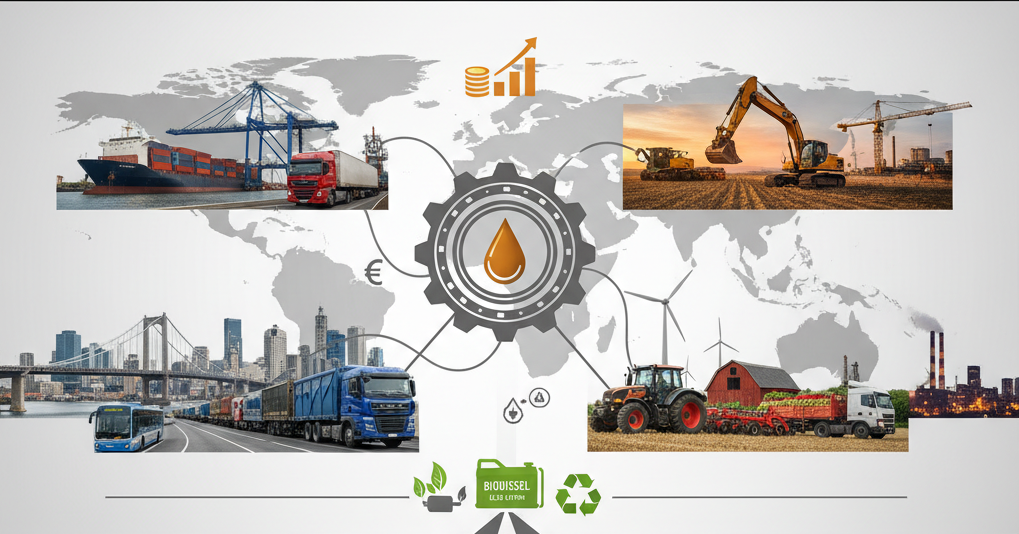
Fuel is essential for modern life. From transportation to industry, its consumption is practically fixed, meaning people and companies depend on it even when prices fluctuate. As mentioned in previous articles, several factors demonstrate this constant demand:

    • Transportation: trucks, trains, ships, buses, and private vehicles rely on gasoline and diesel to operate.
    • Industry and construction: heavy machinery, generators, and mining equipment require fossil fuels.
    • Agriculture: tractors, harvesters, and irrigation systems depend on diesel to maintain production.

    This stable demand shields the sector from economic cycles, ensuring that energy is always needed to move people, goods, and essential products.

    2. Diversified products and markets

    The fuel business is not limited to a single product or region. Companies can market gasoline, diesel, kerosene, fuel oil, and biofuels, selling to different segments such as:

    1. Retail
    2. Distributors
    3. Industrial fleets
    4. International buyers

    This diversification reduces risk: a decline in one segment can be offset by another. Geographic expansion also protects companies from local crises or regulatory changes. In short, the sector leverages product and market variety to maintain stable revenue.

    3. Vertical integration and full chain control

    As explained in the previous article, fuel companies often operate under a 360º model managing everything from supply and refining to logistics and customer sales. This creates several advantages:

    • Cost control: optimizing crude purchasing and refining protects margins even when prices rise.
    • Risk reduction: coordinated production, transport, and sales ensure supply continuity.
    • Efficiency improvement: integrated processes minimize losses, waste, and delays.

    This full-chain control allows companies to adapt quickly to market changes, enhancing overall business stability.

    4. Strategic positioning within the global economy

    Fuel acts as the backbone of the global economy essential for governments, industries, and consumers alike. This gives the sector resilience during crises and recessions, as basic energy demand remains stable. Investments in energy infrastructure and storage ensure supply continuity, while long-term contracts and financial instruments (like futures and hedging) protect companies from price volatility, reinforcing their strategic role and economic durability.

    5. Innovation and sustainability as new pillars

    As mentioned in previous articles, fuel companies are incorporating cleaner and alternative energies such as biodiesel and low-sulfur fuels adapting to regulations and market trends to secure long-term stability. But innovation goes far beyond that:

    • Diversification and reduced dependency: Integrating complementary energy sources diversifies revenue streams and reduces reliance on fossil fuels, strengthening business resilience.
    • Technology and operational efficiency: Digitalization and advanced technologies optimize logistics, inventory management, and customer service, improving efficiency and reinforcing competitiveness.
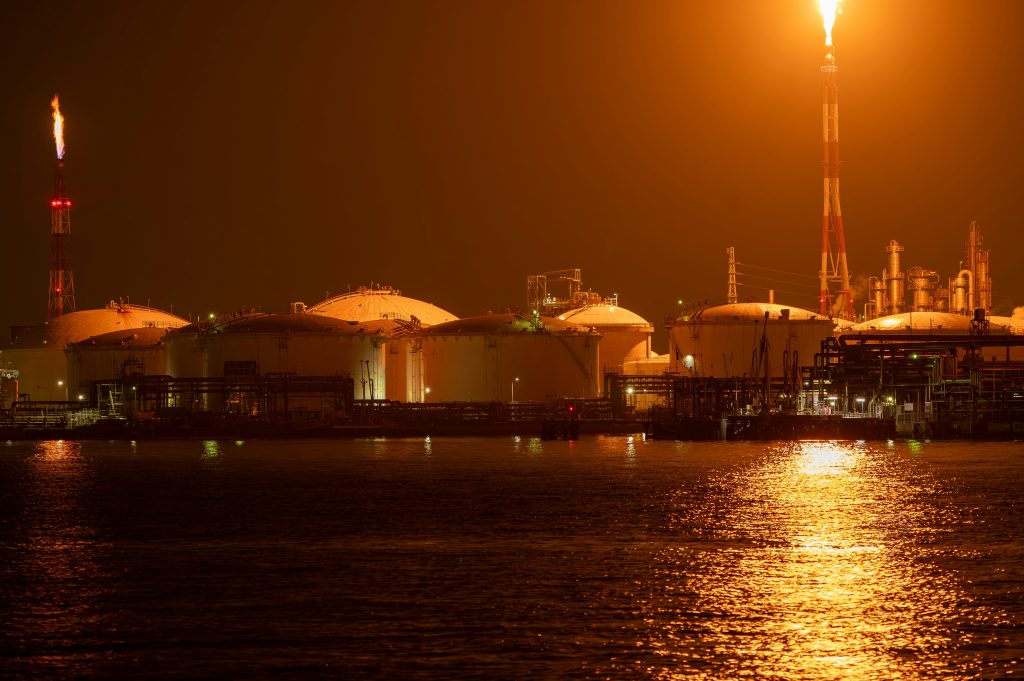
    In summary, fuel is a stable, strategic, and sustainably valuable business

    It remains one of the world’s most stable sectors thanks to constant demand across transportation, industry, and agriculture; diversified products and markets that reduce risk; vertical integration that enhances efficiency; a strategic position within the global economy; and ongoing technological and sustainable adaptation that ensures long-term competitiveness.

    Despite environmental and market challenges, fuel remains a secure and strategic asset, capable of sustaining the global economy and offering steady returns to companies that operate with planning, innovation, and long-term vision.

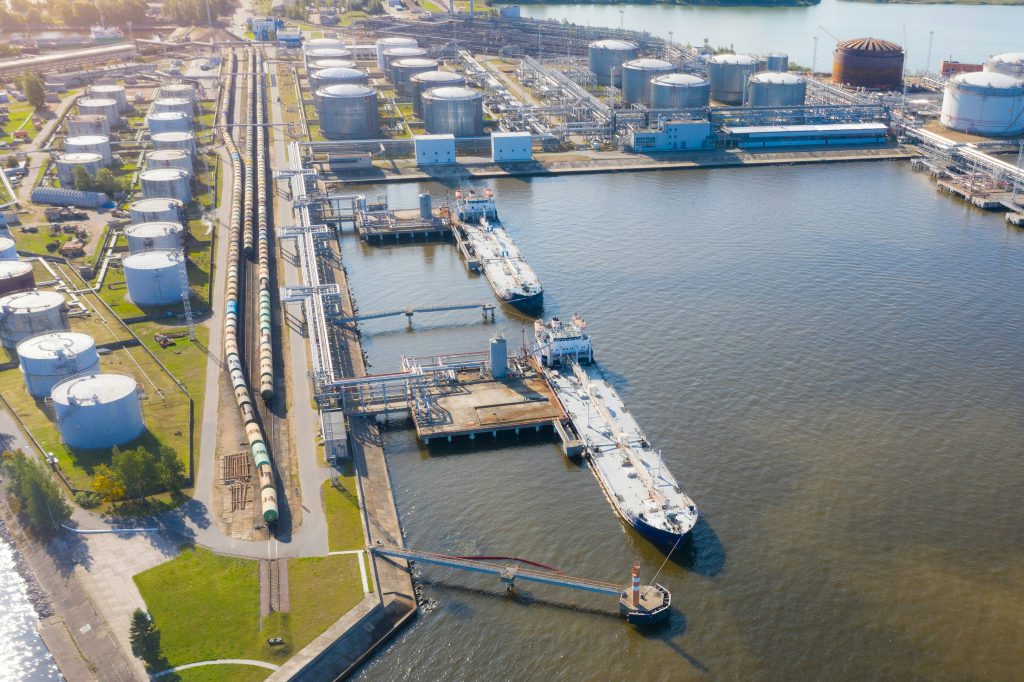
    Key Pillars of a Profitable Fuel Company

    The 360º Model: Supply, Logistics, and Customers

    A profitable fuel company is not just about selling liters. It requires designing a comprehensive
    business model where every part of the chain from procurement to final delivery is optimized to
    generate value. Companies that successfully integrate supply, logistics, and customer
    management under a clear strategy are the ones that achieve sustained growth in a competitive
    market with tight margins.

    Supply: the foundation for product availability and stability

    The first pillar of any profitable operation is securing fuel supply at competitive costs and with
    consistent availability. This involves:

    1. Diversifying suppliers.
    2. Combining short-term and long-term contracts.
    3. Monitoring international benchmark prices, such as Brent or WTI.

    Additionally, smart inventory management allows companies to purchase at the right moment,
    store product when prices are favorable, and release stock strategically, reducing risks and
    protecting margins.
    A solid supply strategy is the foundation on which profitability is built.

    Logistics: efficiency that translates into savings

    Transporting and storing fuels represents a significant portion of total costs. For this reason,
    optimizing logistics becomes a powerful competitive advantage: efficient routing, load
    consolidation, and strategic use of depots and fleets have a direct impact on profitability.

    Digitalization plays a crucial role. Traceability systems, real-time tracking, and automated order
    management reduce errors and shorten delivery times, ensuring every liter reaches its destination
    more efficiently.

    Efficient logistics not only reduces costs but also provides operational reliability and flexibility.

    Customers: loyalty as a strategic margin

    In a market where prices fluctuate constantly, retaining customers is essential. To maintain a
    stable client base, companies must deliver reliable, transparent, and agile service. Digital tools
    for order management and invoicing strengthen commercial relationships and improve demand
    forecasting.

    Customer loyalty protects the client base and allows companies to compete beyond price, adding
    value through personalized attention and additional services.

    In the 360º model, the customer is not the final step they are part of the profitability strategy.

    In summary, the 360º model aligns all areas, optimizes resources, and turns every liter into value

    A profitable fuel company combines the three essential pillars: stable supply, efficient logistics,
    and loyal customers. Companies that achieve this balance not only survive in competitive
    markets they consolidate growth, manage risks effectively, and remain prepared for the evolving
    dynamics of the energy sector.

    The Role of Letters of Credit in International Transactions

    In the global fuel trade, the distance between buyer and seller can span thousands of kilometers. In this context, trust relies not only on words but on financial instruments that guarantee each party fulfills its obligations. Among these tools, letters of credit stand out as a cornerstone of international operations.

    What Are Letters of Credit?

    A letter of credit (LC) is a bank commitment ensuring that the seller receives payment once all agreed conditions are met and the required documents are presented.

    There are two main types:

    1. DLC (Documentary Letter of Credit): The bank issues payment after verifying that the seller has presented the correct documents (such as the bill of lading or commercial invoice).
    2. SBLC (Standby Letter of Credit): Acts as a backup guarantee, triggered only if the buyer fails to meet contractual obligations.

    The choice between the two depends on the type of transaction and the level of trust between parties. A DLC is used as part of the normal payment process, while an SBLC is preferred as an additional safeguard in agreements requiring extra assurance against potential defaults.

    How They Work in the Fuel Market

    In a typical transaction, the buyer requests their bank to issue a letter of credit in favor of the seller. This document outlines all payment terms, product quantities, deadlines, and required documentation. Once the shipment is completed and all documents are verified, the bank automatically releases the payment.

    This system protects both sides:

    • The seller is assured of payment once requirements are met.
    • The buyer ensures that payment is only made when everything is properly delivered.

    A Secure but Demanding Instrument

    Letters of credit provide transparency, security, and financial backing, but they require strict precision in documentation. Even a minor error — such as an incorrect date or missing field — can delay or invalidate payment.

    Despite their complexity, they remain one of the most reliable instruments in international fuel trading, where both the sums and the risks involved are significant.

    In Summary: Turning Trust into Security

    Letters of credit are bank promises that transform trust into financial security. They are the financial backbone of international energy transactions, allowing companies from different countries to operate with confidence, ensuring smooth trade flows while protecting both payment and product delivery.

    Purchasing and Financing Methods in the Fuel Market

    Buying fuel on a large scale is far more complex than simply paying a price per liter. Behind every transaction lies a network of financial, logistical, and contractual agreements that ensure the uninterrupted flow of products across the supply chain.

    Purchasing methods and financing tools are essential for refineries, transport companies, and distributors to operate with both security and liquidity.

    Main Purchasing Methods

    Market participants use different purchasing modalities depending on their operational needs and management capacity. (Some of these concepts were explored in more detail in our article on commodity trading.) These modalities include:

    1. Spot contracts: Used for immediate purchases, taking advantage of market opportunities or urgent supply needs.
    2. Forward contracts: Set purchase conditions for a future date, securing price and availability.
    3. Long-term supply agreements: Established between producers and large consumers to guarantee stability and continuity.

    These agreements allow companies to plan operations, manage risks, and optimize cash flow, ensuring greater predictability in their trading activities.

    Financing: The Invisible Support Behind Energy Operations

    In the fuel market, financing is as vital as the product itself. Transactions can reach millions of dollars, so it’s common to use financial instruments that guarantee payment without compromising liquidity on either side.

    The most common mechanisms include:

    • Commercial credit: The seller grants payment terms to the buyer.
    • Pre-financing of cargo: The buyer receives funds to pay for the product before shipment.
    • Energy factoring: Enables companies to advance the collection of their invoices.

    These tools strengthen trust between parties and ensure that trade flows remain uninterrupted, even during periods of market volatility.

    The Importance of Trust and Guarantees

    In an environment where transactions involve large amounts and extended timelines, trust is reinforced through financial documentation and bank guarantees. This is why letters of credit and performance bonds are widely used—they provide security to both parties and reduce the risk of non-payment or default.

    In Summary: The Financial Backbone of the Fuel Value Chain

    Purchasing and financing methods are the foundation that sustains the global fuel value chain. Without them, energy trade would be disrupted and supply continuity would be at risk.

    Thanks to these systems, the sector operates with stability and confidence, ensuring that fuel reaches every consumption point safely and consistently—while fostering trust among all stakeholders involved in each transaction.

    How Does Fuel Trading Work?

    Fuel trading is one of the least visible yet most decisive activities in the energy sector. Although it is often associated with the exchange of crude oil and its derivatives, it goes far beyond simple buying and selling—it involves logistical planning, risk management, financing, and global market strategy.

    In an interconnected world, this network of operations ensures that fuels flow from refineries to end consumers, balancing supply and demand across regions, companies, and even governments

    Intermediation: The Connection Between Producers and Buyers

    At the heart of this system are the traders or intermediaries, who connect those who produce fuels with those who need them. These companies or agents purchase large volumes of products such as diesel, gasoline, or fuel oil and sell them in other markets where demand is higher or prices are more attractive.

    Traders can operate in two main ways:

    • Physical operations, which involve the actual transport and delivery of the product.
    • Financial operations, which focus on managing price exposure and risk without the physical exchange of the fuel.

    Contracts: Clear Rules in a Complex Market

    Every transaction is supported by contracts that define the terms of the exchange: volumes, quality, delivery point, price, and deadlines. Contracts can be:

    • Spot, when delivery occurs immediately.
    • Forward (or future-dated), when delivery is scheduled for a later date.

    Additionally, prices are often linked to international benchmarks such as Platts, Brent, or WTI —references mentioned in previous articles—which serve as value guides for all parties involved. This ensures transparency and consistency in a global market.

    Risks and Hedging

    Fuel trading involves constant risks that can affect both large corporations and smaller intermediaries, such as:

    1. Price fluctuations: Crude and refined product prices can change rapidly due to geopolitical factors, shifts in supply, or changes in global demand.
    2. Logistical delays: Maritime, land, or rail transport issues can disrupt delivery schedules and generate additional costs.
    3. Payment defaults: When one party fails to fulfill payment obligations, it jeopardizes the stability of the entire operation.
    4. Exchange rate variations: In international transactions, currency movements can significantly affect the final value of contracts.

    To manage these risks, traders use financial instruments such as futures, options, and swaps, which help lock in prices or offset potential losses. Thanks to these tools, traders can maintain economic stability even in highly volatile markets.

    In Summary: The Engine of Global Energy Commerce

    Fuel trading is the driving force behind global energy trade. Through contracts, hedging mechanisms, and intermediation strategies, it ensures that fuel reaches the right place, at the right time, and at the best possible price.

    In this system, information, speed, and risk management are as valuable as the product itself.

    The Impact of Diesel on Transportation and Industry

    El diésel no es solo un combustible: es una pieza central en la maquinaria económica en el
    mundo. Desde la logística internacional hasta la agricultura, su papel resulta clave para
    mantener en marcha sectores que dependen de eficiencia, autonomía y potencia. Pero junto a
    estas ventajas, también arrastra implicaciones económicas y retos que vale la pena analizar.

    Transporte, el diésel como columna vertebral de la economía

    El transporte es, sin duda, la columna vertebral de la economía y uno de los sectores más
    estrechamente ligados al diésel. Su alta densidad energética y el rendimiento de sus motores
    convierten a este combustible en la opción preferida para mover grandes cargas y cubrir largas
    distancias. Los factores que determinan su uso en el transporte son:

    Costos operativos: el diésel representa una parte significativa de los gastos de las
    empresas de transporte, lo que lo convierte en un factor clave para la planificación y
    gestión de las flotas.

    Eficiencia y competitividad: los motores diésel permiten recorrer más kilómetros por
    litro, favoreciendo la productividad y la competitividad de las empresas en un entorno
    cada vez más exigente.

    Movilidad diversa: desde camiones y autobuses hasta trenes y barcos, el diésel
    asegura la continuidad de una red de transporte que sostiene tanto el comercio
    internacional como la vida urbana cotidiana.

    El diésel, motor de la agricultura

    En el sector agrícola, el diésel es indispensable, claros ejemplos de esto son los siguientes:

    Maquinaria agrícola: tractores, cosechadoras y equipos de riego consumen grandes
    volúmenes de diésel, especialmente en épocas de siembra y cosecha, debido a su gran
    potencia.

    Transporte de productos: llevar la cosecha del campo al mercado también depende
    del diésel. Los precios del diésel afectan directamente a la logística y precios de los
    productos, tanto para los proveedores como para los consumidores.

    El uso del diésel en la industria y construcción

    El uso del diésel va más allá de carreteras y campos. También es vital en entornos industriales
    y de construcción como:

    Obras y maquinaria pesada: excavadoras, grúas y camiones trabajan durante largas
    jornadas gracias al diésel, que garantiza potencia continua en condiciones exigentes.

    Minería y extracción: en este sector, donde la maquinaria opera en entornos extremos,
    el diésel ofrece fiabilidad y autonomía.

    Generación eléctrica: aunque no siempre es la fuente principal, los generadores diésel
    resultan esenciales en zonas aisladas o como respaldo en emergencias, aportando
    energía de manera inmediata en caso de emergencia.

    Retos y transformación

    El protagonismo del diésel no está libre de desafíos. Su combustión genera emisiones
    contaminantes, lo que ha impulsado regulaciones más estrictas y la evolución hacia versiones
    más limpias del combustible, además de tecnologías que reducen su impacto ambiental, como
    hemos podido ver con el biodiésel y el ULSD 10 PPM.

    Este proceso de transformación busca equilibrar dos necesidades: mantener el rol estratégico
    del diésel en la economía global y adaptarlo a las exigencias de sostenibilidad que marcan el
    presente y el futuro.

    En resumen

    El diésel es un motor decisivo para el transporte, la industria y la economía.
    Su influencia se mide no sólo en kilómetros recorridos o en toneladas movidas, sino también en
    los costos de producción, en la competitividad de las empresas y en la estabilidad de mercados
    enteros.

    Aún con sus retos ambientales, sigue siendo un pilar económico y operativo, difícil de
    reemplazar en sectores donde la autonomía, la potencia y la eficiencia son esenciales. El futuro
    del diésel parece estar transformándose y adaptándose a las necesidades del mundo.

    What Is Diesel and How Does It Differ from Other Fuels?

    Diesel is omnipresent in our daily lives. We rely on it to power trucks, ships, tractors and even some cars, yet few of us pause to consider what makes it distinct from gasoline or other petroleum derivatives. To understand its uniqueness, we must look at both its origin in the refinery and its combustion process inside an engine.

    Diesel’s Place in Refining

    In the fractional distillation of crude oil, components are separated by weight and boiling point. Diesel occupies a middle position:

    • It contains more energy per liter than gasoline.
    • It is less volatile, meaning it evaporates more slowly.
    • It is more stable and safer to store.

    These traits explain why diesel has become the natural choice for applications demanding high power and long operating hours.

    How Diesel Behaves in the Engine

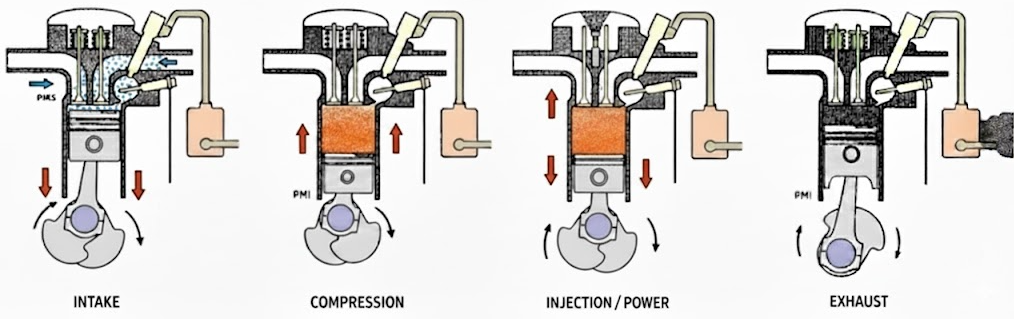
    Diesel’s true distinction lies in its combustion method. Gasoline engines rely on a spark to ignite the air-fuel mixture. Diesel engines, by contrast, compress the air to extremely high temperatures; when fuel is injected, it self-ignites under pressure.

    This compression-ignition process makes diesel more fuel-efficient. In practical terms, a loaded truck, a train or a power generator can run longer and deliver greater output using fewer liters of fuel.

    Advantages and Weaknesses of Diesel

    Every fuel has its pros and cons. Diesel’s main strengths include:

    • Higher energy efficiency, ideal for long distances.
    • Greater engine longevity under intensive use.
    • Superior ability to haul heavy loads.

    Its primary drawbacks are:

    • Pollutant emissions, notably particulate matter and nitrogen oxides.
    • Higher engine cost and increased noise levels.

    Today, much of the diesel on the market is offered in cleaner variants—such as biodiesel, derived from vegetable oils and animal fats, or ULSD 10 PPM (Ultra Low Sulfur Diesel). These versions significantly cut emissions while retaining diesel’s signature efficiency and durability.

    Conclusion

    Diesel remains the central pillar sustaining heavy transport and industrial machinery worldwide. Its efficiency, durability and load-moving capacity make it a reliable, strategic choice. With ongoing technological advances that boost performance and reduce environmental impact, diesel continues to adapt to today’s demands and shape the future of the energy sector.

    Oil Prices: Platts, OPEC, and More

    When we think about the price of oil or gasoline, it may seem like it only depends on the basic law of supply and demand. However, the reality is much more complex. Oil prices are determined through a global system involving multiple factors, regulatory mechanisms, and market references that interact to set prices internationally.

    As we explained in the previous article, Brent and West Texas Intermediate (WTI) are the main global benchmarks for oil pricing, acting as markers in international markets. But crude oil prices are not based solely on these references—there are also key institutions that manage oil production and economics.

    Diagram of the global oil pricing system

    Key Institutions That Influence Oil Prices

    OPEC and Production Regulation

    One of the most important players in this system is the Organization of the Petroleum Exporting Countries (OPEC), a group of nations that controls a significant share of global crude production.
    OPEC can decide to increase or reduce oil output in order to stabilize or influence prices. For example, when global demand falls, OPEC often cuts production to prevent a drastic price drop. This coordination has a massive impact on international markets and ultimately on the prices we pay.

    Generic representation of OPEC meetings and oil production regulation

    Platts and Refined Product Pricing

    Crude oil is just the starting point. To turn it into the products we use daily—such as gasoline, diesel, or fuel oil—it must be refined.
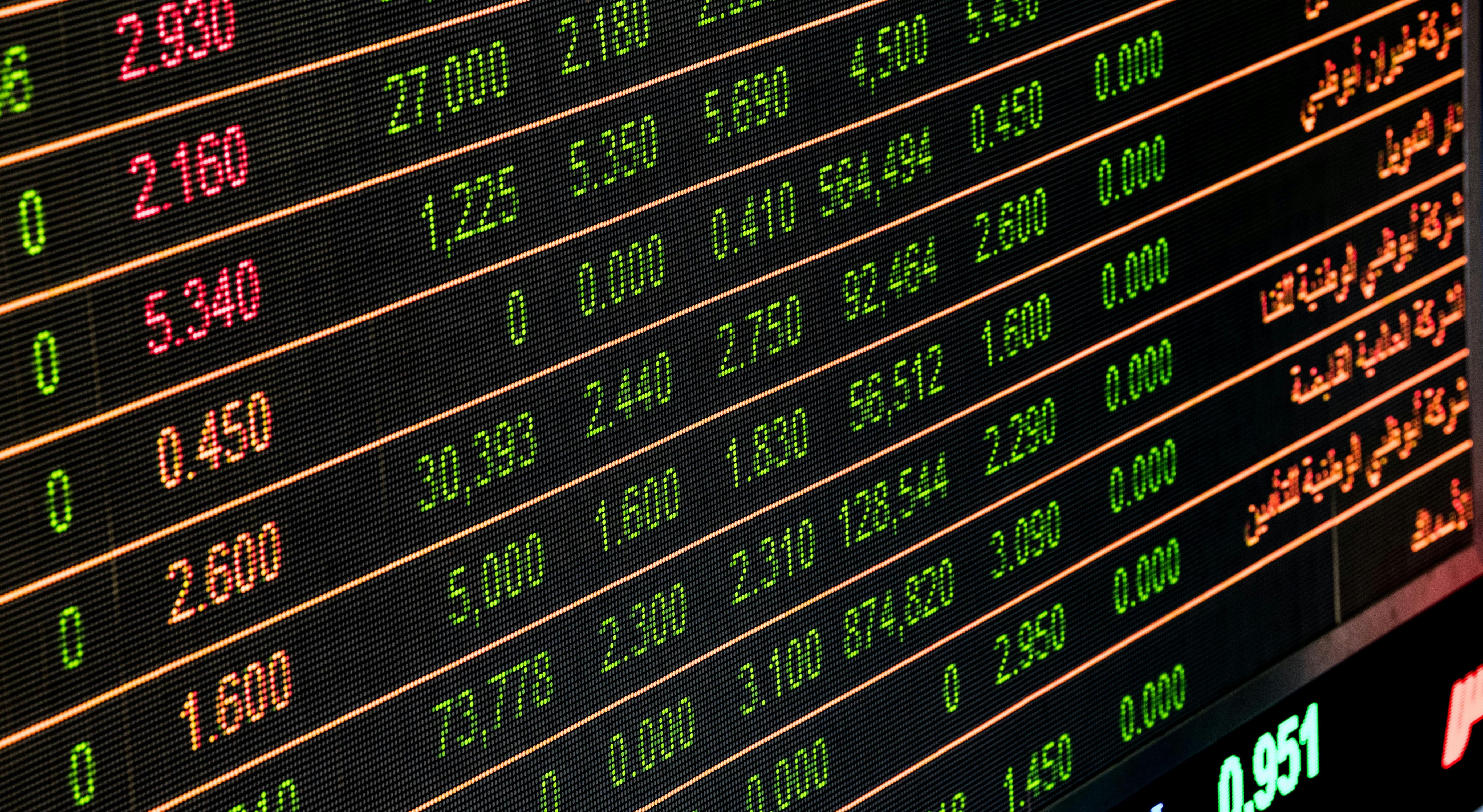
    The prices of these refined products are set partly by specialized agencies like Platts, which publishes daily prices based on real market data, including transactions and reports from buyers and sellers. These prices serve as references for contracts, imports, and exports, ensuring transparency and trust in refined product trading.

    Trading screens showing refined product prices and oil market indexes

    A Global and Coordinated Process

    In short, oil pricing is not driven by a single factor or player. It is the result of:

    • OPEC’s strategic management of production
    • Market prices published by agencies like Platts
    • International benchmarks such as Brent and WTI

    This network reflects the political, economic, technological, and even climatic dynamics that shape global supply and demand.

    Other Key Factors Affecting Oil Prices

    • Financial markets, such as futures contracts traded on NYMEX or ICE.
    • Oil inventories and strategic reserves, especially in the U.S.
    • Geopolitical factors, including wars or economic sanctions.
    • Weather conditions affecting production or demand.
    • Production and transportation costs, which vary by region.
    • Growth of renewable energy and environmental policies impacting demand.

    Oil futures trading and geopolitical factors

    Oil pricing is the result of a carefully regulated and monitored global interaction. While it may seem simple at first glance, it is actually shaped by a complex web of decisions, references, and reports that keep the market functioning.
    Understanding how oil and refined product prices are set helps us see why fuel costs can rise or fall so quickly and how these changes impact not just transportation, but also industry, agriculture, trade, and even the everyday products we consume.
    In an interconnected world, any shift in the oil market triggers a domino effect that ultimately reaches our daily lives.

    Continue reading

    The World’s Main Oil Markets

    Although there are many types of crude oil, two names dominate the global market: Brent and WTI. These two crudes are used as global benchmarks to set the price of a barrel, regardless of whether buyers are purchasing that exact oil. In other words, they act as reference indexes for the energy market.

    Global energy market

    Brent: The International Benchmark

    Brent Crude comes from oil fields located in the North Sea, between the UK and Norway. It is considered a light and sweet crude (low density and low sulfur content), making it ideal for producing gasoline, diesel, and other high-demand products. Because of this, Brent is the main benchmark in Europe, Asia, and Africa, representing nearly two-thirds of the world’s oil trade.

    Offshore oil platform

    WTI: The U.S. Reference

    West Texas Intermediate (WTI) is another light and sweet crude, primarily extracted and traded in the United States. Although in recent years it has lost some ground to Brent, WTI remains crucial for setting prices in the Americas and as a global economic indicator.

    Oil pumpjack

    Why Two Benchmarks?

    Oil is not a uniform product—its quality varies depending on where it is extracted, as do the transportation costs, refining capacity, and regulation. Having two major benchmarks allows regional markets to adjust to local realities while still remaining connected through international trade.

    How Brent and WTI Influence Gasoline Prices

    Although crude oil undergoes many processes before becoming gasoline or diesel (as we explained in the previous article on refining), the barrel price is the starting point. An increase in Brent or WTI automatically raises the cost of crude purchased by refineries, which directly impacts:

    • Fuel prices at gas stations.
    • Transportation costs for goods.
    • Prices of petroleum-derived products such as plastics and fertilizers.

    These benchmarks create a domino effect that can be felt throughout the economy.

    Gas station pumps

    Brent and WTI are not just technical names—they are the thermometers of the global energy market. When their prices change, they affect not only the cost of fuel at gas stations but also the prices of countless goods and services that depend on oil—from the plastics we use every day to the food we eat (through transportation and production costs). Understanding what they are and how they work helps us grasp why oil prices rise or fall and how that influences our economy and the daily lives of millions of people worldwide.

    Continue reading

    From the Ground to the Pump: The Crude Oil Refining Process

    As we explained in the previous article, the oil we use every day is not the same as the crude extracted from underground. Crude oil must be processed to separate its components and turn it into useful products. This transformation involves several key steps.

    Overview of an oil refinery with distillation towers

    Refining Begins with Fractional Distillation

    The first stage is fractional distillation, which consists of heating crude oil to very high temperatures until it vaporizes. As the vapors rise through a distillation tower, they gradually cool and condense at different levels depending on their boiling point. This separates the components by weight and density in the following order:

    • Lightest fractions: Gases and gasoline, collected at the top.
    • Middle fractions: Kerosene and diesel, condensed in the center.
    • Heavier fractions: Lubricants, fuel oil, and asphalt, which condense at the bottom or remain unvaporized.

    Fractional distillation tower in an oil refinery

    Chemical Transformation: Breaking and Improving

    After distillation, the separated crude fractions undergo processes where molecules are broken down, restructured, or combined to generate more valuable products.

    • Cracking: Breaks large hydrocarbon molecules into lighter ones, such as gasoline or diesel.
    • Reforming: Restructures lighter fractions to improve octane levels, producing higher-quality gasoline or components for petrochemicals.
    • Additional treatments: Processes to remove impurities (such as sulfur through desulfurization) and blending to ensure fuels meet environmental and performance standards.

    Laboratory analysis of hydrocarbons and refinery processes

    Key Factors in Production

    It’s important to note that the proportion of each final product depends on both the type of crude oil and the technological configuration of the refinery.

    Refining is an invisible yet essential process for modern life. From it, we obtain products we use daily—gasoline, diesel, fuel oil, kerosene, and many others. This complex transformation turns a raw natural resource with no direct use into the energy that powers vehicles, industries, homes, and entire cities.

    Continue reading


    © SPFO Group - All rights reserved

    Privacy Overview

    This website uses cookies so that we can provide you with the best user experience possible. Cookie information is stored in your browser and performs functions such as recognising you when you return to our website and helping our team to understand which sections of the website you find most interesting and useful.