Fuel Logistics and Distribution: From the Refinery to the End Consumer

When we fill up at a service station, we rarely consider the long journey that fuel has taken to reach
our vehicles. While we may understand the refining process, logistics and distribution of products
like gasoline and diesel extend far beyond production. This chain is both complex and strategic.

The Starting Point: The Refinery

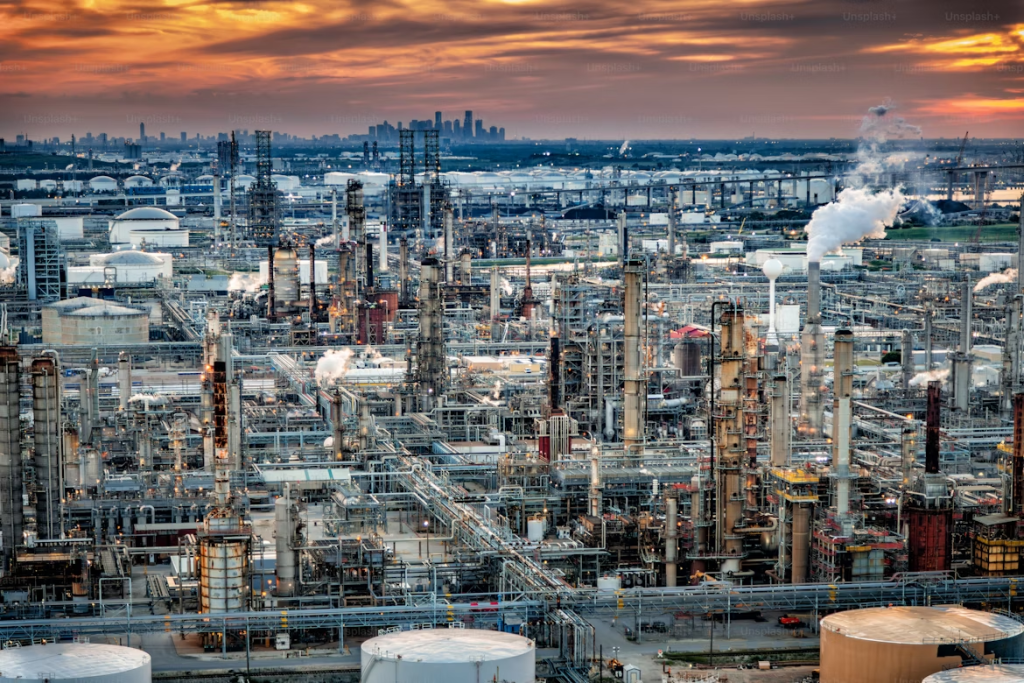
Everything begins at the refinery, where crude oil undergoes distillation and conversion processes
to produce various derivatives. Once market-ready, these fuels are temporarily stored in large-
capacity tanks, awaiting transport to consumption hubs.
Wholesale Fuel Transport: Pipelines, Tankers, and Trains

The next step is long-distance transfer, utilizing multiple infrastructures:

Pipelines: safe, fast, and continuous, they are the most common method for connecting
refineries with distribution terminals.

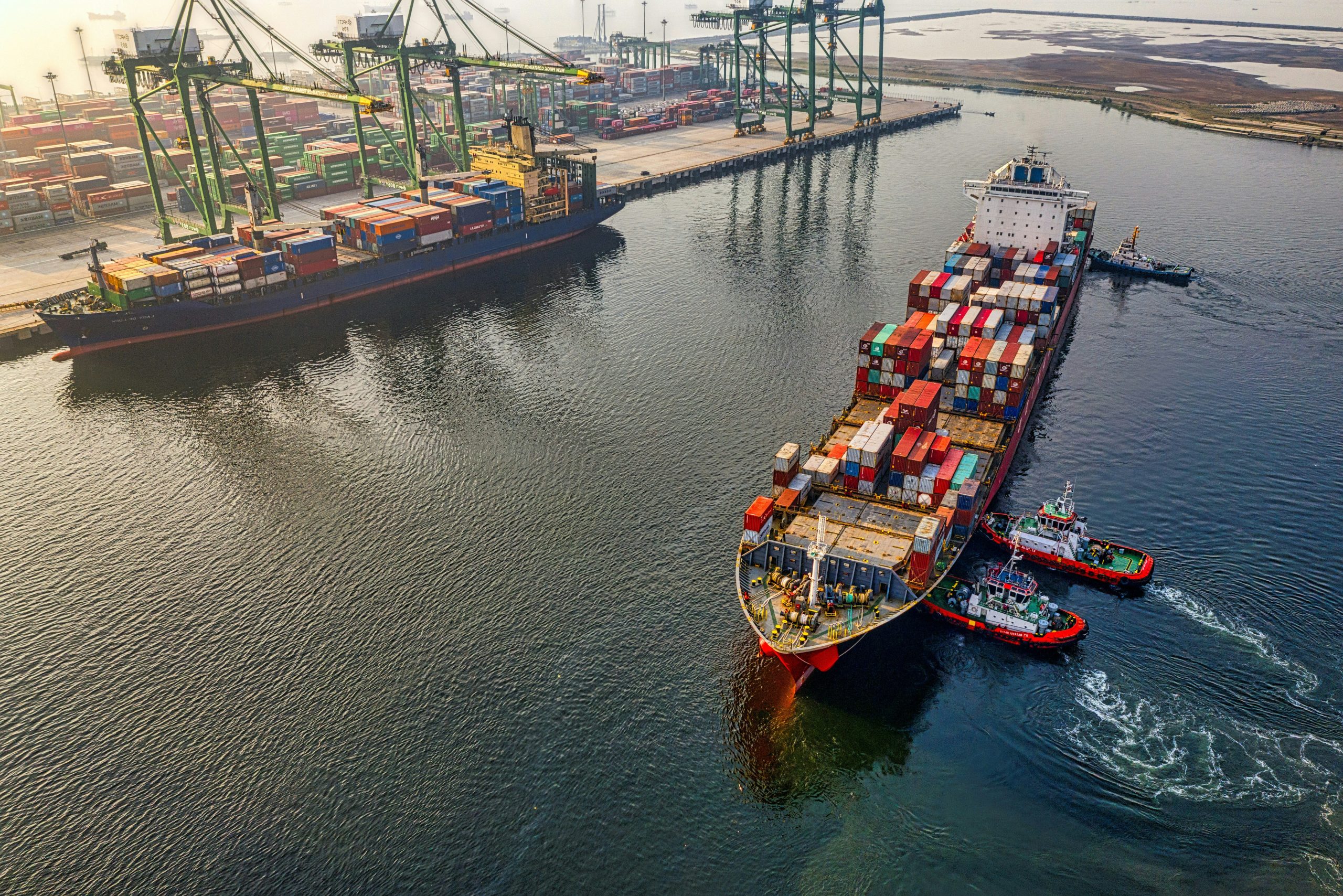
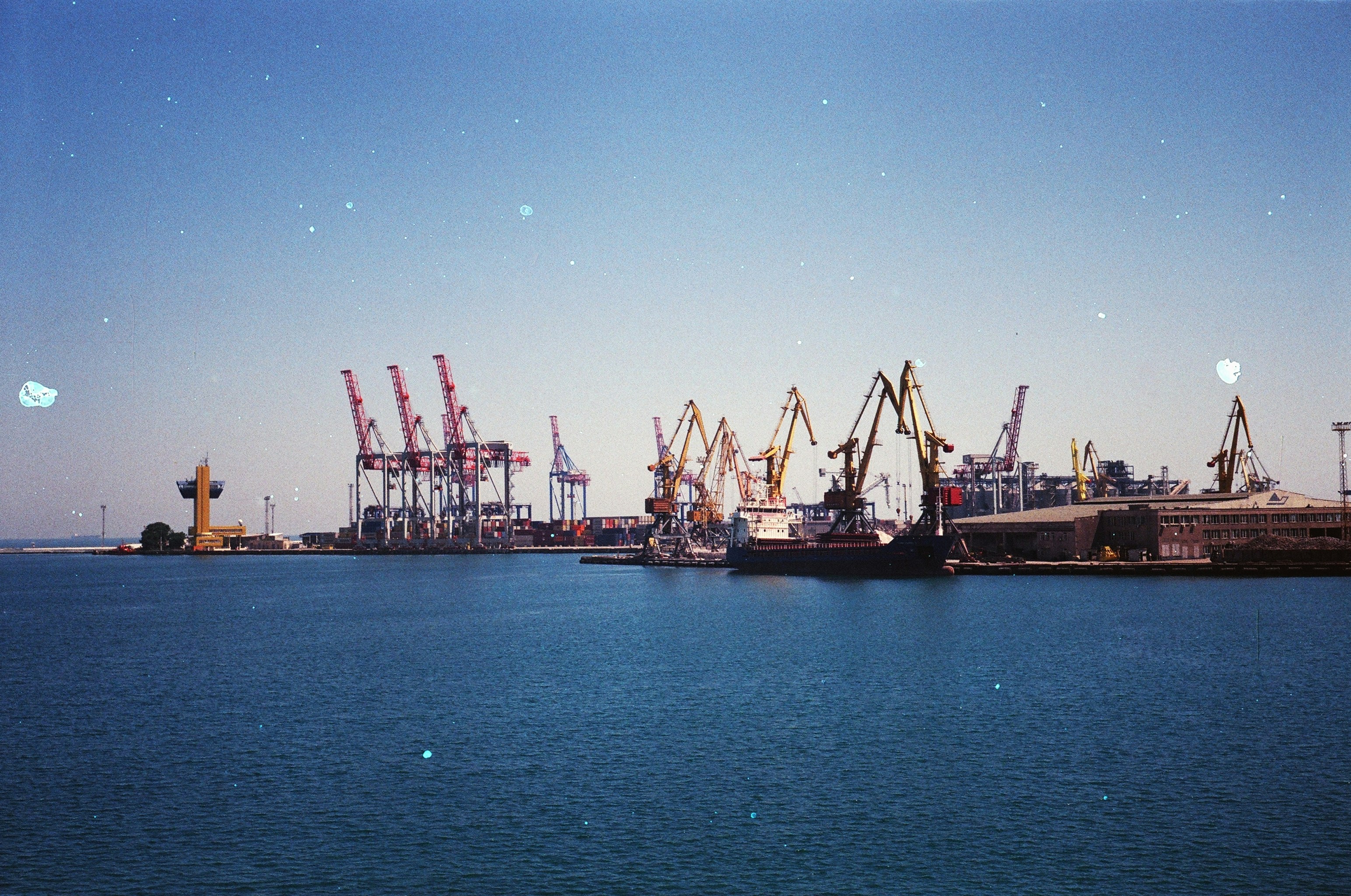
Oil Tankers: enable the movement of massive volumes between countries and continents,
supporting international energy trade.

Railways and Tanker Trucks: provide flexibility and coverage in areas not served by
pipelines.

Each mode plays a complementary role, ensuring supply even in remote regions or high-demand
zones.
Storage and Distribution Centers

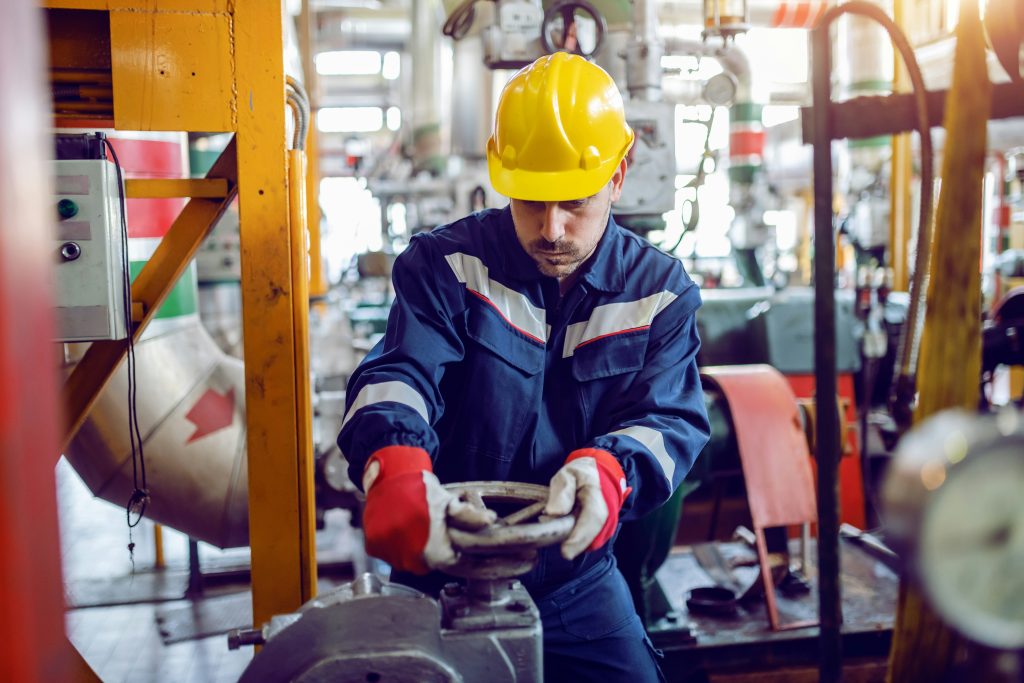
Before reaching the end consumer, fuels pass through storage terminals where quality, safety, and
volume are monitored. From these centers, coordination of deliveries to gas stations, airports, ports,
and industrial clients takes place, tailoring logistics to each sector’s requirements.

Final Stage: From Storage Tanks to Your Vehicle

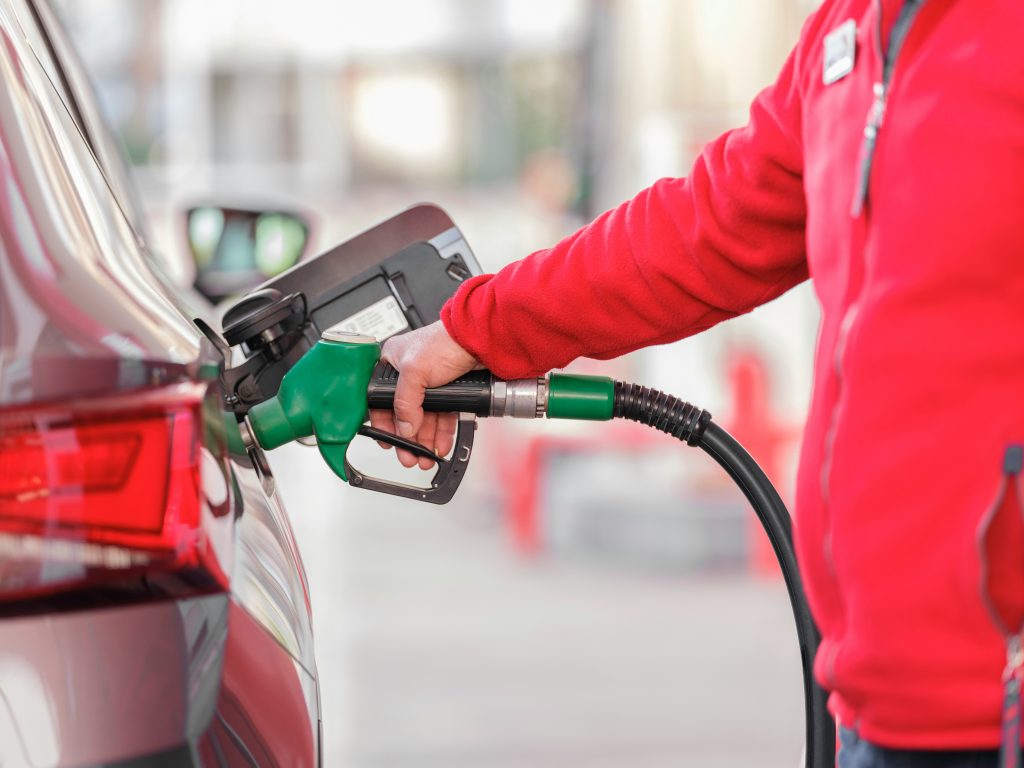
Ultimately, fuel arrives at the closest point for everyday users: service stations. Specialized tanker
trucks refill underground reservoirs at each station, dispensing fuel directly to consumers.
Simultaneously, diesel deliveries are made to transport companies, airlines, farmers, and industrial
facilities, completing the logistical cycle.
In Summary

Fuel logistics and transport are far more intricate than they might initially appear.
Thanks to pipelines, tankers, trains, and trucks, energy reaches its destination safely and
continuously. Although the industry faces the challenge of becoming cleaner and more efficient, it
remains a key component of the economic engine and daily life for millions of people.

What is bunkering and why is it key in maritime logistics?

Have you ever wondered how the massive ships crossing the oceans refuel? The answer lies in a logistical operation that is as essential as it is little known: bunkering.

This term, which may sound unfamiliar if you’re not involved in the maritime world, is actually one of the fundamental pieces that keeps international shipping moving.

Bunkering Explained Simply

Bunkering is, quite simply, the process of supplying fuel to ships. Just as a car needs gasoline to move, a vessel needs marine fuel to continue its journey. The major difference is that, instead of stopping at a gas station, these giants of the sea refuel at specialized ports through complex, safe, and highly regulated operations.

  • From a barge to a ship (barge-to-ship)
  • From shore to ship (land-to-ship)
  • From ship to ship (ship-to-ship)

In all cases, the goal is the same: to ensure that the vessel has enough fuel—whether it be heavy fuel oil, liquefied natural gas (LNG), or marine diesel—to complete its route efficiently.

Why Is Bunkering So Important to Global Trade?

More than 80% of global trade is carried out by sea. From supermarket goods to cars and the clothes we wear—nearly everything arrives in containers aboard ships. For those ships to reach their destinations, they need to refuel periodically, and that’s where bunkering plays a crucial role.

Major ports like Rotterdam, Cartagena, or Fujairah have established themselves as strategic bunkering hubs, offering not only fuel but also the infrastructure and protocols that minimize downtime.

How Is a Bunkering Operation Carried Out?

The Environmental Challenge of Bunkering

Reducing the impact of fossil fuels is a priority. That’s why many ports are turning to LNG, methanol, and advanced measurement and safety systems to minimize pollution.

Did You Know There Are Professionals Specializing Only in This?

Logistics operators, engineers, quality inspectors, and maritime safety technicians make up a growing sector with strong international demand.

In summary: bunkering is a strategic and constantly evolving activity—without it, maritime trade would not be possible.

Barge-to-Ship bunkering
Ship-to-Ship bunkering

Continue reading

Bunkering: key in global port logistics

The maritime sector plays a fundamental role in international trade. Within this complex logistics network, “bunkering” stands out as a critical operation for ensuring the energy supply of merchant vessels. Although it is a lesser-known concept outside professional circles, its impact on the efficiency and continuity of maritime transport is undeniable.

Definition of Bunkering

Bunkering refers to the process of supplying fuel to ships. This procedure can be carried out in several ways, including:

Through direct connections from onshore port facilities.

Via barges equipped for fuel transfer at sea.

Using tanker trucks stationed at the port.

Bunkering operation at port

Strategic Importance of Bunkering

Enabler of Global Trade

Today, over 80% of international trade is carried out via maritime transport. Fuel supply ensures that vessels can complete their routes without interruption, thereby maintaining the continuity of global goods flow.

Economic Relevance for Ports

Bunkering is also a significant economic driver for ports offering this service. It creates specialized jobs, attracts foreign investment, and helps position certain cities as international logistics hubs. Notable examples include the ports of Rotterdam (Netherlands), Cartagena (Colombia), and Fujairah (United Arab Emirates).

Toward More Sustainable Bunkering

The sector is undergoing a major transformation due to new regulatory requirements driven by the International Maritime Organization (IMO). The shift toward fuels with a lower environmental footprint—such as liquefied natural gas (LNG), methanol, or even biofuels—is reshaping bunkering operations.

Key ongoing initiatives include:

Construction of dedicated terminals for new fuels.

Development of protocols adapted to new requirements.

Technical training for involved personnel.

These measures aim to ensure that marine fuel supply aligns with global environmental commitments.

Sustainable LNG bunkering

Key Facts About Bunkering

  • The term “bunkering” originated with steamships, when coal was the primary fuel used.
  • Today, various types of marine fuels are used, such as fuel oils, marine gas oils, and LNG.
  • Specialized companies like SPFO Group offer comprehensive bunkering services under the highest international standards.

A Silent Pillar of Global Trade

Bunkering rarely makes headlines, yet its role is essential. It is the energy foundation that enables thousands of vessels to continue their journeys, connecting markets and supplying global supply chains. In a globalized environment where logistical efficiency makes the difference, having safe, sustainable, and well-coordinated bunkering operations is an undeniable competitive advantage.

To learn more about this and other critical aspects of the maritime logistics sector, we invite you to keep exploring our blog content.

Continue reading


© SPFO Group - All rights reserved

Privacy Overview

This website uses cookies so that we can provide you with the best user experience possible. Cookie information is stored in your browser and performs functions such as recognising you when you return to our website and helping our team to understand which sections of the website you find most interesting and useful.