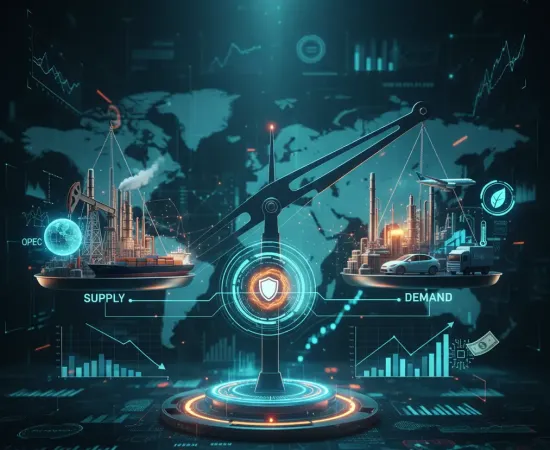
The energy sector is undergoing a major transformation. Beyond the production and distribution of fuels, technological innovation and intelligent data management are redefining how companies operate, optimize costs, and connect with customers. Below are the pillars shaping the future of the industry.
Digitalization: Efficiency and Real-Time Control
Digitalization not only streamlines internal processes it also enables faster, more accurate decisión making. Advanced monitoring and energy management systems make it possible to:
- Optimize processes: real-time control of inventories, fleets, and storage facilities.
- Reduce errors: automated ordering and billing minimize human mistakes, losses, and delays.
- Predict demand: analytics help anticipate consumption patterns and optimize purchasing based on historical data and market trends.
With these tools, companies can react immediately to changes in prices or consumption, improving margins and lowering risk.

Smart Logistics: The Path to Efficiency
Transport and storage represent a significant portion of total energy costs. For this reason, implementing advanced logistics solutions has become essential. Examples include:
- Optimized routes through planning software that reduces delivery time and cost.
- Fleet management with real-time tracking and preventive maintenance to avoid disruptions.
- Strategic storage infrastructure: using well-located depots to ensure continuous supply.
Efficient logistics not only lowers expenses it also strengthens reliability for clients and partners.
Direct Access: New Ways to Engage Customers
The future of the energy sector goes beyond traditional sales. Companies are developing direct-access channels that provide personalized services, transparency, trust, and long-term loyalty. These strategies place the customer at the center, turning them into an active partner in the operation.

Data: Information as a Competitive Advantage
Data is the new fuel. Collecting, analyzing, and leveraging information enables companies to:
- Anticipate trends in consumption and pricing: making purchasing and sales decisions more accurate.
- Manage risk: identifying and mitigating possible supply disruptions or market fluctuations.
- Innovate and develop: creating products and services based on real customer behavior and needs.
In a sector where every liter counts, precise information directly translates into efficiency and profitability.
In Summary: The Energy Future Is Digital, Connected, and Strategic
Digitalization, smart logistics, direct customer access, and the strategic use of data are redefining the energy industry. Companies that adopt these pillars will not only optimize operations and reduce costs they will also be better positioned to deliver value to customers, adapt to market shifts, and secure sustainable long-term growth.