For months we’ve talked about the PEIP model as a structured way to invest in real energy: physical contracts, identifiable assets, agreed margins, and rigorous risk management.
But the logical question is:
“Okay, but what does this look like when applied to a real project?”
The answer is PEIP Galapa: the real case that best illustrates how SPFO connects capital with an operating biofuels plant in Colombia to generate returns.
1. Where Galapa Is and What Exists There
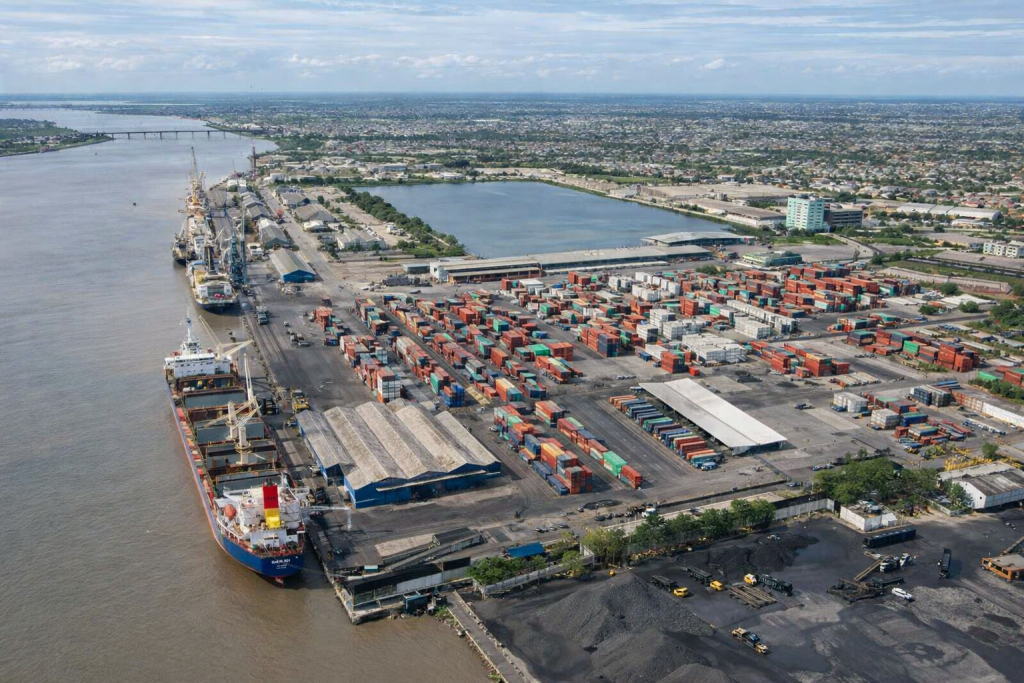
Galapa is a strategic municipality in the metropolitan area of Barranquilla (Colombia), connected to:
• the Port of Barranquilla,
• the land transport network of the Atlantic Coast,
• and several industrial and logistics hubs in the region.
There, SPFO operates in partnership with Biodiésel de la Costa, a plant specialized in:
• Production and storage of biofuels (B100 and blends),
• Handling of vegetable oils for the biodiesel industry,
• Fuel oil and related products for industrial and logistics uses.
We’re not talking about a “paper project,” but about tanks, pipelines, trucks, and active contracts.
2. What Exactly PEIP Galapa Is
PEIP Galapa is a Structured Investment Plan in Petroleum and Energy whose objective is to:
• Inject capital into the Galapa plant,
• to increase product volume, logistics capacity, and inventory rotation,
• thereby expanding the operating margins of the activities already underway.
Instead of investing in a “generic fund,” the investor participates in:
• a specific industrial asset (the plant and its operational capacity),
• with identifiable products (B100, oils, fuel oil, etc.),
• and real contracts with local and regional clients.
3. From Current Operations to Expansion
In practice, Galapa has already executed operations such as:
• sales of B100 and vegetable base to processing plants,
• supply of fuel oil to national distributors,
• sale of biofuel to logistics operators,
• and a first pilot export of fuel oil to Central America.
These operations have shown net margins in the 11–14% range on rotated capital (after logistics and operating expenses).
PEIP Galapa aims to scale what already works, not invent something new:
• moving from operating with capital-limited capacity,
• to having more product, more stock, and greater ability to respond to existing demand.

4. How the Investor Enters the Model
At a simplified level, the scheme works like this:
• The investor contributes capital to the PEIP Galapa vehicle.
• That capital is used to:
• purchase product (biofuels, oils, fuel, etc.),
• finance logistics and storage,
• cover operational needs to increase rotation.
• The plant executes the operations: purchase → processing/storage → sale.
• The margin generated in each cycle is distributed according to the PEIP structure, after costs and provisions.
• The investor receives a target annual return (within the range defined in the investment document), and SPFO shares profit as operator.
The key is that the investor does not take on the business alone:
• an operating plant,
• a local team,
• real contracts,
• and a defined risk–return model.
5. Risks… and How They Are Managed
Every investment carries risk. The difference lies in how it is controlled.
In Galapa, the main risks and mitigations are:
a) Counterparty Risk
Risk: non-payment or non-performance by clients or suppliers.
Mitigation:
• supply contracts with clear conditions,
• selection of counterparties with track record,
• commercial guarantees when applicable.
b) Operational / Logistics Risk
Risk: shutdowns, transport issues, inefficiencies at the plant.
Mitigation:
• plant with operational experience,
• agreements with logistics operators in the area,
• insurance and industrial safety protocols.
c) Market Risk
Risk: price fluctuations of raw materials and products.
Mitigation:
• contracts with agreed margins,
• product diversification (B100, oils, fuel oil),
• focus on recurring demand (industry, logistics, etc.).
The goal is not to eliminate risk (impossible), but to limit it and make it manageable.
6. Why Galapa Is a Strong “Case Study” for the PEIP Model
PEIP Galapa helps explain the PEIP model because it brings together several key elements:
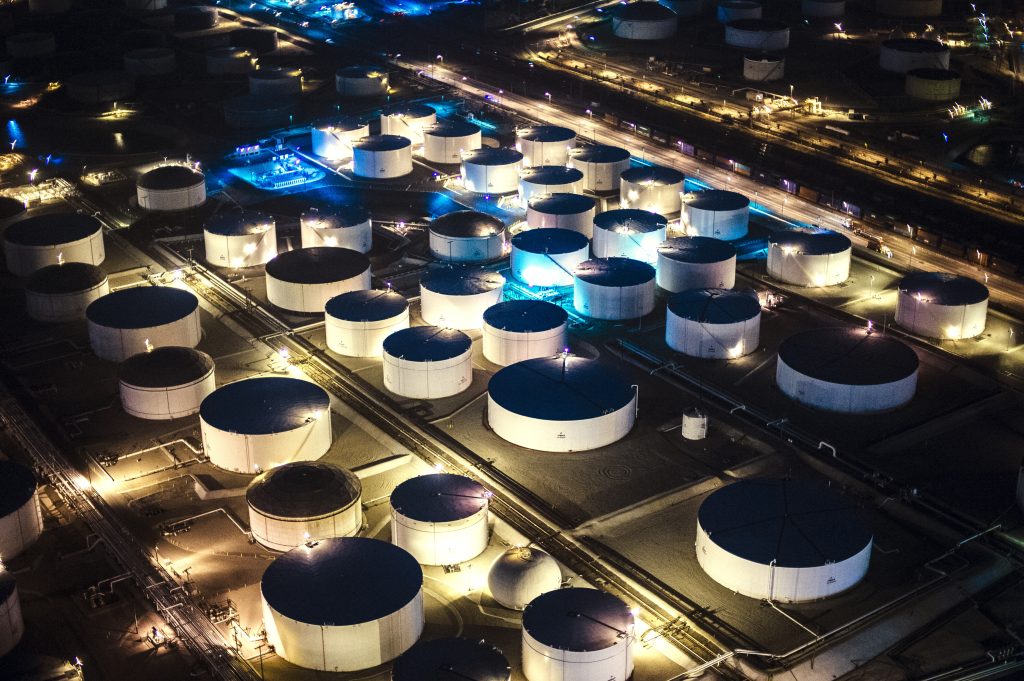
• Visible asset: a plant that can be visited, audited, and photographed.
• Proven operations: real sales, with measurable billing and results.
• Clear demand: industrial and logistics clients who need product on a recurring basis.
• Immediate growth potential: with more capital, the plant can increase:
• purchase volume,
• available stock,
• export capacity,
• and therefore total margin.
In short: it’s not a promise; it’s an existing operation that capital helps scale.
7. What Type of Investor Fits PEIP Galapa
PEIP Galapa is designed for investors who:
• seek exposure to real energy,
• prefer a model with identifiable assets and physical operations,
• understand that returns come from industrial margins, not pure financial speculation,
• and value the combination of:
• a Latin American project (growth, competitive cost),
• with European structure and governance (reporting, compliance, control).
It is not a mass-market product; it is a proposal for profiles that have already gone through more traditional investments and now seek differentiation with risk control.
8. How to Go Deeper Into the Model
If this summary of PEIP Galapa helps you better visualize how a PEIP works internally, the next logical step is:
• review the PEIP Quick Investment Guide,
• and, if interest remains after reading it,
• request the full PEIP Galapa dossier under NDA.
That is where we go into detail on:
• figures,
• investment tranches,
• legal structure,
• and return scenarios.