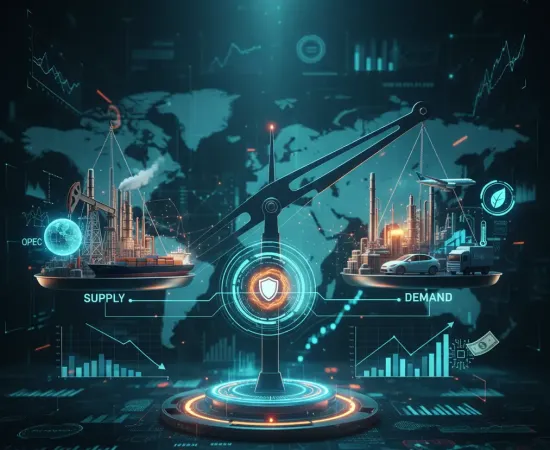
The fuel market is often considered one of the most solid and reliable businesses globally. At first glance, it may seem risky due to oil price volatility, global competition, or environmental regulations. However, several factors explain why this sector remains stable and financially attractive in the long term.
Why is fuel one of the world’s most stable businesses?
1. Constant and universal demand
Fuel is essential for modern life. From transportation to industry, its consumption is practically fixed, meaning people and companies depend on it even when prices fluctuate. As mentioned in previous articles, several factors demonstrate this constant demand:
- Transportation: trucks, trains, ships, buses, and private vehicles rely on gasoline and diesel to operate.
- Industry and construction: heavy machinery, generators, and mining equipment require fossil fuels.
- Agriculture: tractors, harvesters, and irrigation systems depend on diesel to maintain production.
This stable demand shields the sector from economic cycles, ensuring that energy is always needed to move people, goods, and essential products.

2. Diversified products and markets
The fuel business is not limited to a single product or region. Companies can market gasoline, diesel, kerosene, fuel oil, and biofuels, selling to different segments such as:
- Retail
- Distributors
- Industrial fleets
- International buyers
This diversification reduces risk: a decline in one segment can be offset by another. Geographic expansion also protects companies from local crises or regulatory changes. In short, the sector leverages product and market variety to maintain stable revenue.
3. Vertical integration and full chain control
As explained in the previous article, fuel companies often operate under a 360º model managing everything from supply and refining to logistics and customer sales. This creates several advantages:
- Cost control: optimizing crude purchasing and refining protects margins even when prices rise.
- Risk reduction: coordinated production, transport, and sales ensure supply continuity.
- Efficiency improvement: integrated processes minimize losses, waste, and delays.
This full-chain control allows companies to adapt quickly to market changes, enhancing overall business stability.
4. Strategic positioning within the global economy
Fuel acts as the backbone of the global economy essential for governments, industries, and consumers alike. This gives the sector resilience during crises and recessions, as basic energy demand remains stable. Investments in energy infrastructure and storage ensure supply continuity, while long-term contracts and financial instruments (like futures and hedging) protect companies from price volatility, reinforcing their strategic role and economic durability.
5. Innovation and sustainability as new pillars
As mentioned in previous articles, fuel companies are incorporating cleaner and alternative energies such as biodiesel and low-sulfur fuels adapting to regulations and market trends to secure long-term stability. But innovation goes far beyond that:
- Diversification and reduced dependency: Integrating complementary energy sources diversifies revenue streams and reduces reliance on fossil fuels, strengthening business resilience.
- Technology and operational efficiency: Digitalization and advanced technologies optimize logistics, inventory management, and customer service, improving efficiency and reinforcing competitiveness.
In summary, fuel is a stable, strategic, and sustainably valuable business
It remains one of the world’s most stable sectors thanks to constant demand across transportation, industry, and agriculture; diversified products and markets that reduce risk; vertical integration that enhances efficiency; a strategic position within the global economy; and ongoing technological and sustainable adaptation that ensures long-term competitiveness.
Despite environmental and market challenges, fuel remains a secure and strategic asset, capable of sustaining the global economy and offering steady returns to companies that operate with planning, innovation, and long-term vision.