The maritime sector plays a fundamental role in international trade. Within this complex logistics network, “bunkering” stands out as a critical operation for ensuring the energy supply of merchant vessels. Although it is a lesser-known concept outside professional circles, its impact on the efficiency and continuity of maritime transport is undeniable.
Definition of Bunkering
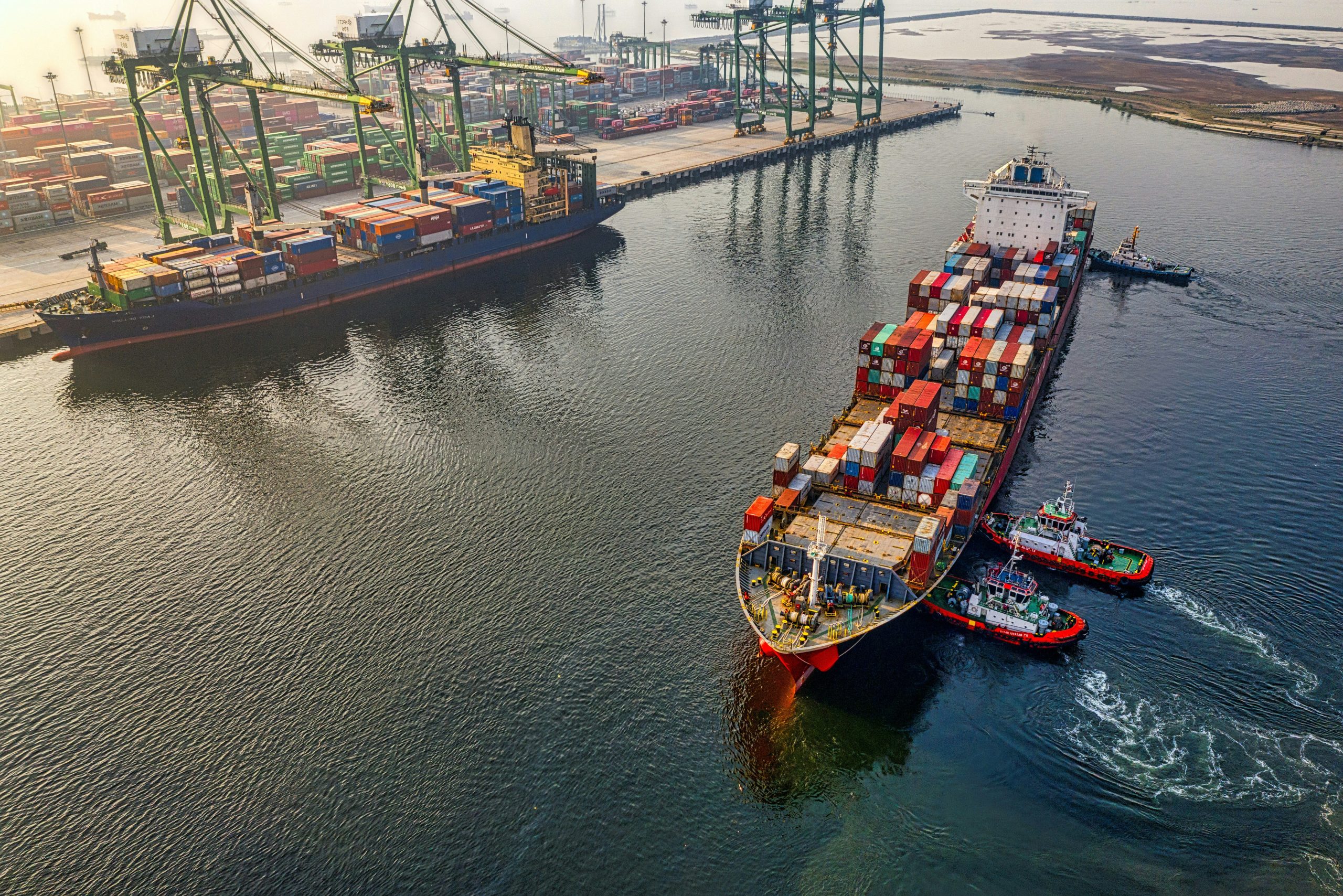
Bunkering refers to the process of supplying fuel to ships. This procedure can be carried out in several ways, including:
Through direct connections from onshore port facilities.
Via barges equipped for fuel transfer at sea.
Using tanker trucks stationed at the port.
Strategic Importance of Bunkering
Enabler of Global Trade
Today, over 80% of international trade is carried out via maritime transport. Fuel supply ensures that vessels can complete their routes without interruption, thereby maintaining the continuity of global goods flow.
Economic Relevance for Ports
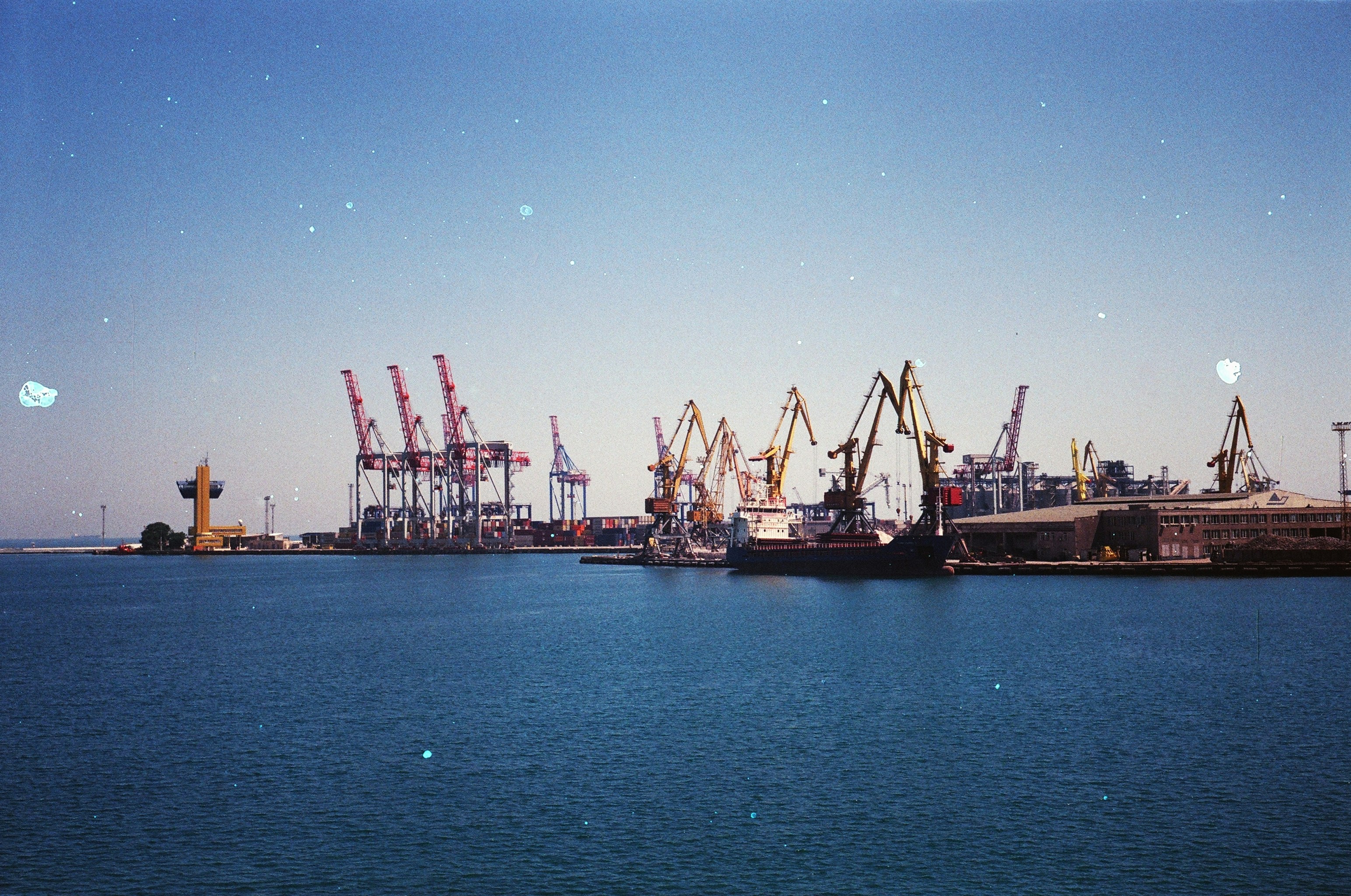
Bunkering is also a significant economic driver for ports offering this service. It creates specialized jobs, attracts foreign investment, and helps position certain cities as international logistics hubs. Notable examples include the ports of Rotterdam (Netherlands), Cartagena (Colombia), and Fujairah (United Arab Emirates).
Toward More Sustainable Bunkering
The sector is undergoing a major transformation due to new regulatory requirements driven by the International Maritime Organization (IMO). The shift toward fuels with a lower environmental footprint—such as liquefied natural gas (LNG), methanol, or even biofuels—is reshaping bunkering operations.
Key ongoing initiatives include:
Construction of dedicated terminals for new fuels.
Development of protocols adapted to new requirements.
Technical training for involved personnel.
These measures aim to ensure that marine fuel supply aligns with global environmental commitments.
Key Facts About Bunkering
- The term “bunkering” originated with steamships, when coal was the primary fuel used.
- Today, various types of marine fuels are used, such as fuel oils, marine gas oils, and LNG.
- Specialized companies like SPFO Group offer comprehensive bunkering services under the highest international standards.
A Silent Pillar of Global Trade
Bunkering rarely makes headlines, yet its role is essential. It is the energy foundation that enables thousands of vessels to continue their journeys, connecting markets and supplying global supply chains. In a globalized environment where logistical efficiency makes the difference, having safe, sustainable, and well-coordinated bunkering operations is an undeniable competitive advantage.
To learn more about this and other critical aspects of the maritime logistics sector, we invite you to keep exploring our blog content.